Mature bamboo forest on restored land

Restoring landscapes and building living forests for the future.

Over fifteen years restoring degraded landscapes, across three continents.

Nine registered Verra projects across six countries.

For over fifteen years EcoPlanet has been restoring degraded landscapes across three continents. Our projects spanning 40,000 hectares represent millions of tons of carbon removals and have created thousands of employment opportunities in some of the poorest parts of the planet.

Eight are EcoPlanet projects across five countries. The ninth, in Zambia, is a partner project we were contracted to design and monitor.

  • Regenerative Working Forests
  • Permanent Conservation Forests
  • Both types
  • Pipeline geographies

Carbon removed from the atmosphere and visible in the landscapes we’ve restored.

Reducing global emissions is essential, but it is no longer enough. Reaching net zero also requires carbon to be removed from the atmosphere and stored for the long term. Carbon markets are not a long-term solution or an excuse for the world to continue operating business as usual. They are a tool that allows for landscapes to be restored with living biodiverse forests that are not only biological carbon sinks, but have the potential to provide the raw resources for a net zero economy.

We are not a typical carbon project developer. We operate our projects under long-term forward agreements, at a per-hectare metric. That means that our partnerships, which include Fortune 500 and Global 1000 companies, can watch the impact that their carbon removal financing is achieving, not just in the direct biomass, but through the transition of the entire landscapes in which we operate.

We are a fully integrated project implementer that has been delivering on VCUs for over a decade. And we work with each partner individually to ensure that their targets are achieved.

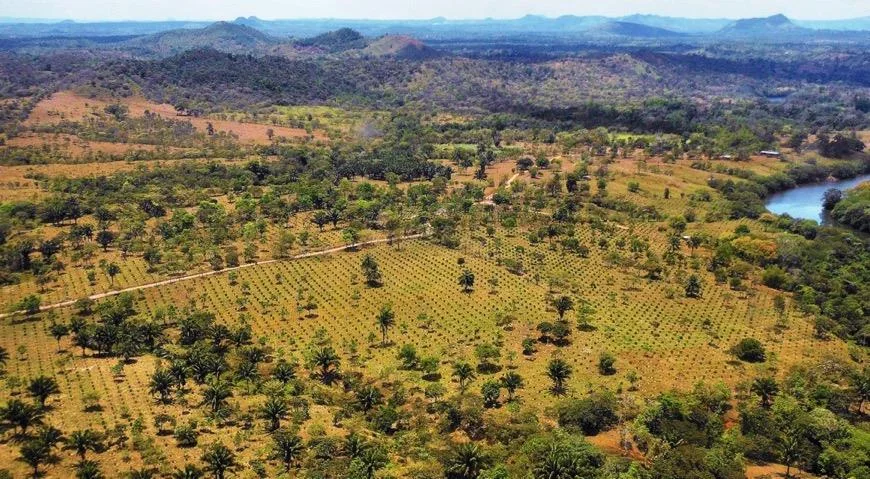
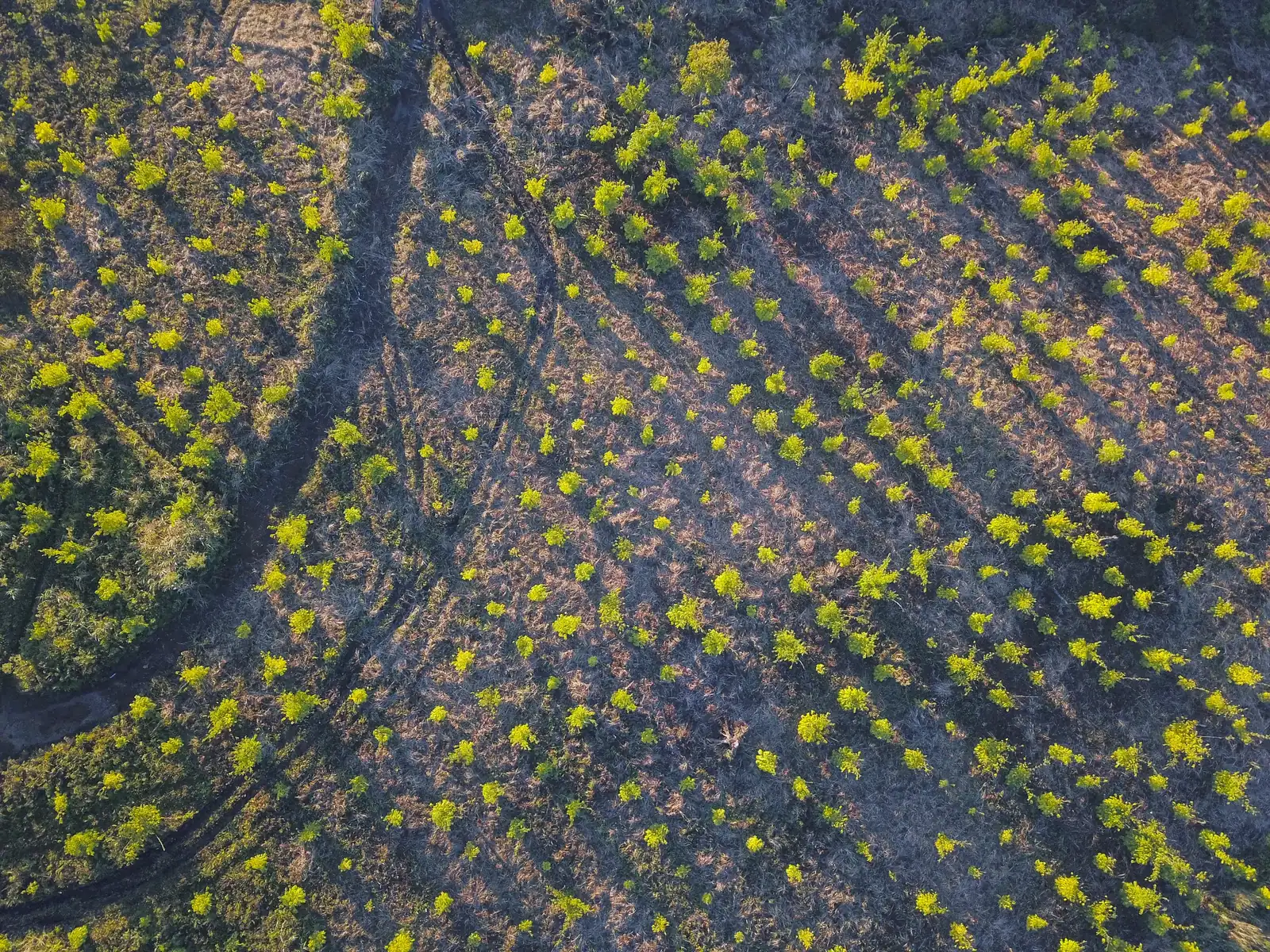
Degraded cattle pasture on Nicaragua’s Atlantic Coast before restorationBefore
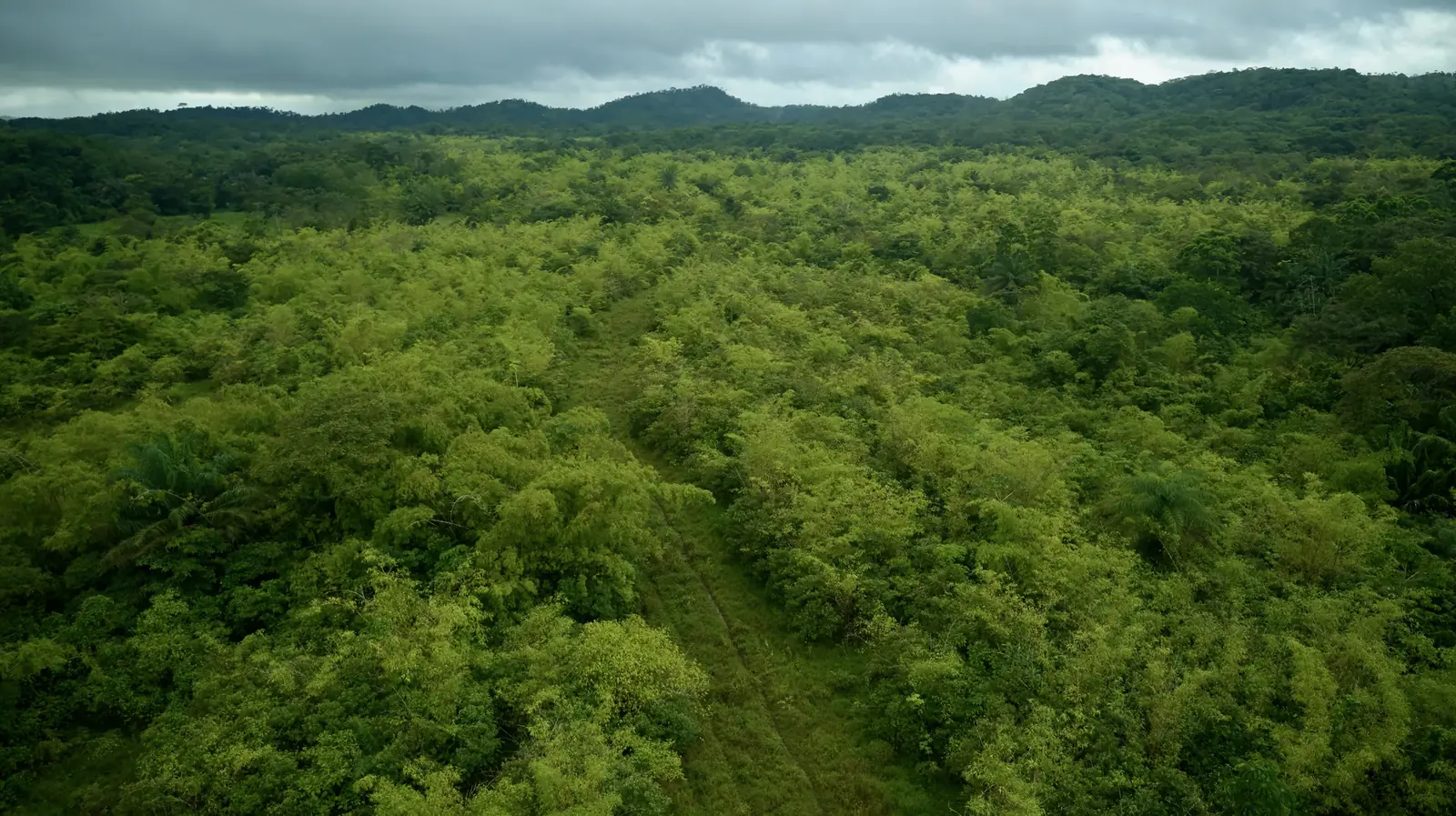
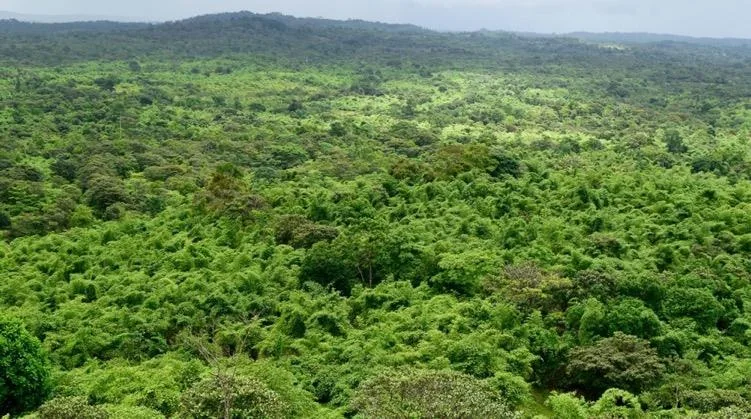
Biodiverse bamboo forest on the same ground after restorationAfter

Two distinct types of carbon removal projects.

01
Regenerative Working Forests

These are the first engine of our bioeconomy model. Species of non-invasive clumping bamboo are used to restore extremely degraded lands, while reconnecting individual trees and remnant forest patches. The future selective, low-intensity thinning of this bamboo will ultimately provide an alternative to carbon-intensive materials and fuel. Biodiversity and conservation areas comprise 30 to 50% of any landscape in which we grow bamboo for commercial purposes.

02
Permanent Conservation Forests

We work in critical biodiversity hotspots where carbon finance, combined with our experience as a project implementer, can drive the restoration of key landscapes while creating employment opportunities that reduce pressure on remaining ecosystems. Projects such as our landscape restoration of subtropical thicket in South Africa, and our work with the Volcanoes National Park in Rwanda, represent areas that become permanent protected areas.

Our Carbon Portfolio

Delivering since 2015 under forward contracts with direct end users across 9 registered VCS projects. Our proven blueprint is ready to scale.

Our portfolio combines an established VCS issuance history in Nicaragua with newer registered projects at different stages of verification and issuance across Ghana, Rwanda, South Africa and the Philippines. Some projects are fully committed single instances, while others are available for forward offtake or represent grouped projects with expansion potential. Visit our individual project pages for information on the registered area, status of reforestation activities, projected removals, expected verification pathway and availability.

EcoPlanet's Lanao del Sur project, Philippines Philippines · Lanao del Sur, Mindanao
VCS 2958 · Philippines · Registered
Open for forward offtake

Lanao del Sur Bamboo Reforestation Project

Restoring a degraded upland watershed on Mindanao. The 8,360-hectare project area holds 5,000 hectares of native bamboo, with native-tree restoration outside the carbon accounting and the remaining forest patches set aside for conservation. Launched in 2022 and registered under the VCS in November 2023.

8,360 ha
Project area
2022
Project start
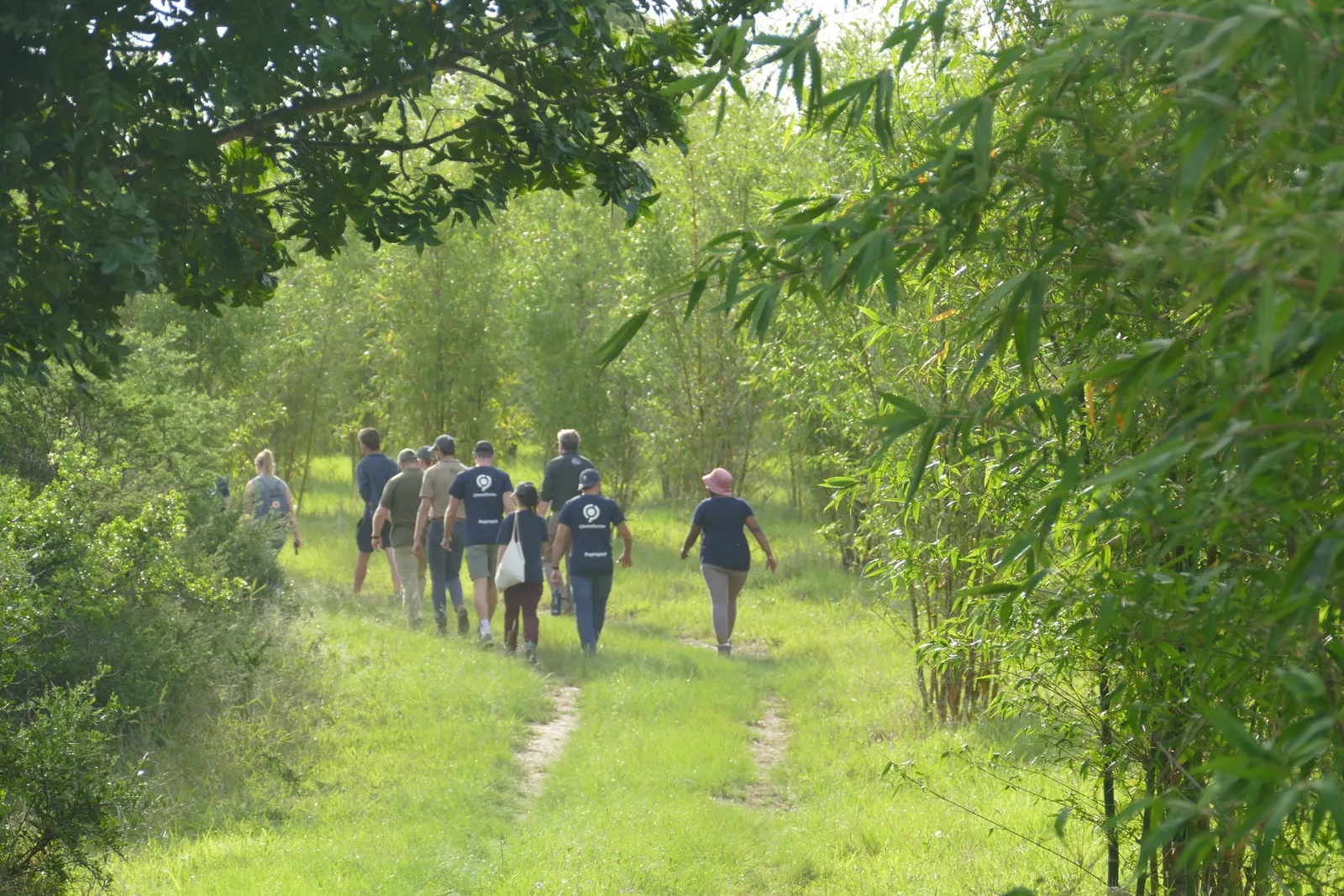
A group walking a path through established bamboo on the Eastern Cape estate South Africa · Eastern Cape
VCS 3632 · South Africa · Registered
Open for forward offtake

Eastern Cape Bamboo Forestry Project

Degraded, overgrazed farmland converted into 3,500 hectares of managed bamboo, built farm by farm. EcoPlanet has operated in the province since 2012; 1,000 hectares are planted, with 2,500 following from 2027.

3,500 ha
Project area
2023
Project start
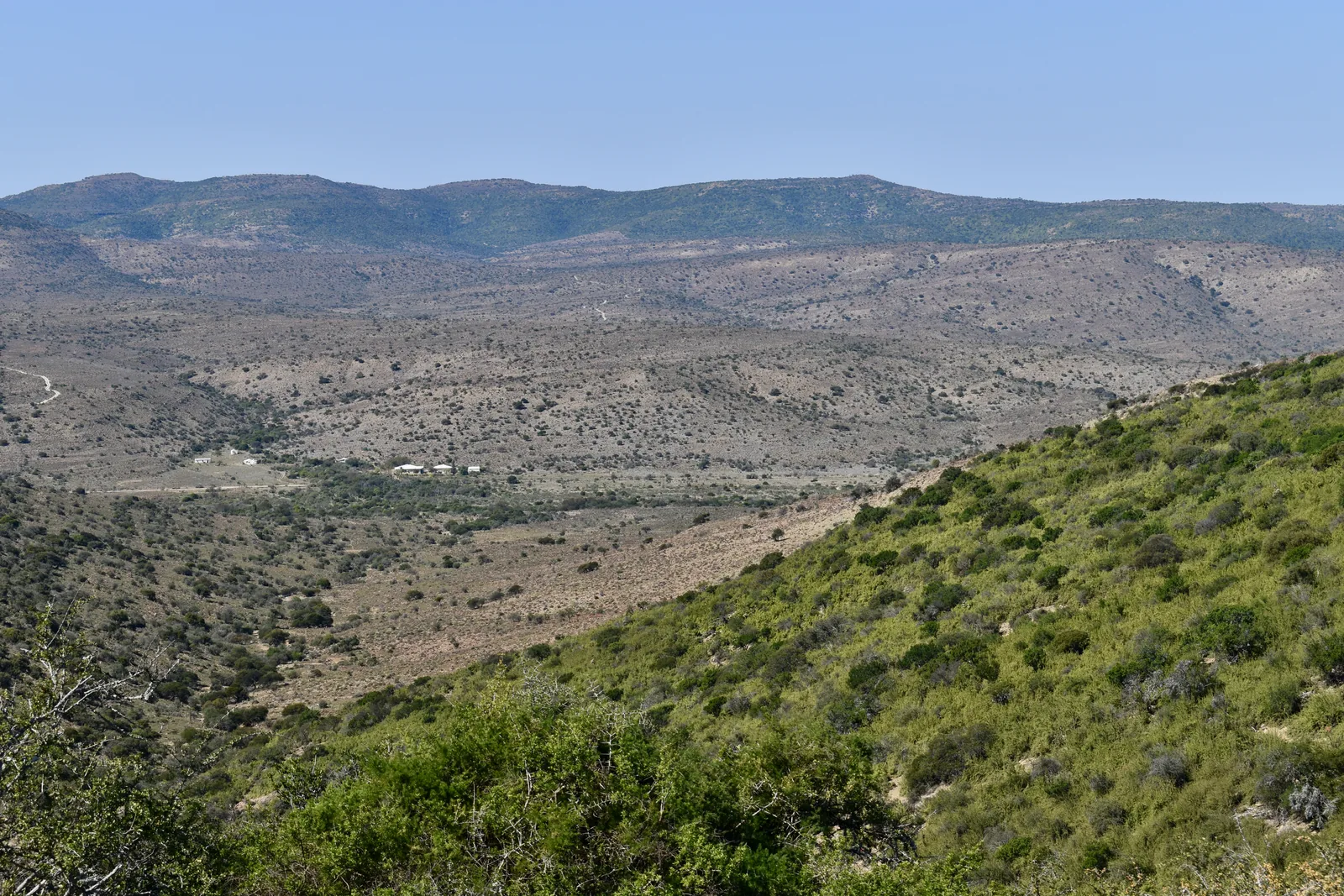
Degraded Eastern Cape hillside under spekboom thicket restoration South Africa · Albany Thicket biome
VCS 3628 · South Africa · Registered
Open for forward offtake

Eastern Cape Restoration Project, Somerset East

The restoration of degraded former pasture at Sand River Sanctuary, near Somerset East. Spekboom thicket is restored, not harvested, and the carbon is committed to the land for a century. Registered with Verra and listed on South Africa’s National Carbon Registry.

10,300 ha
Project area
2023
Project start
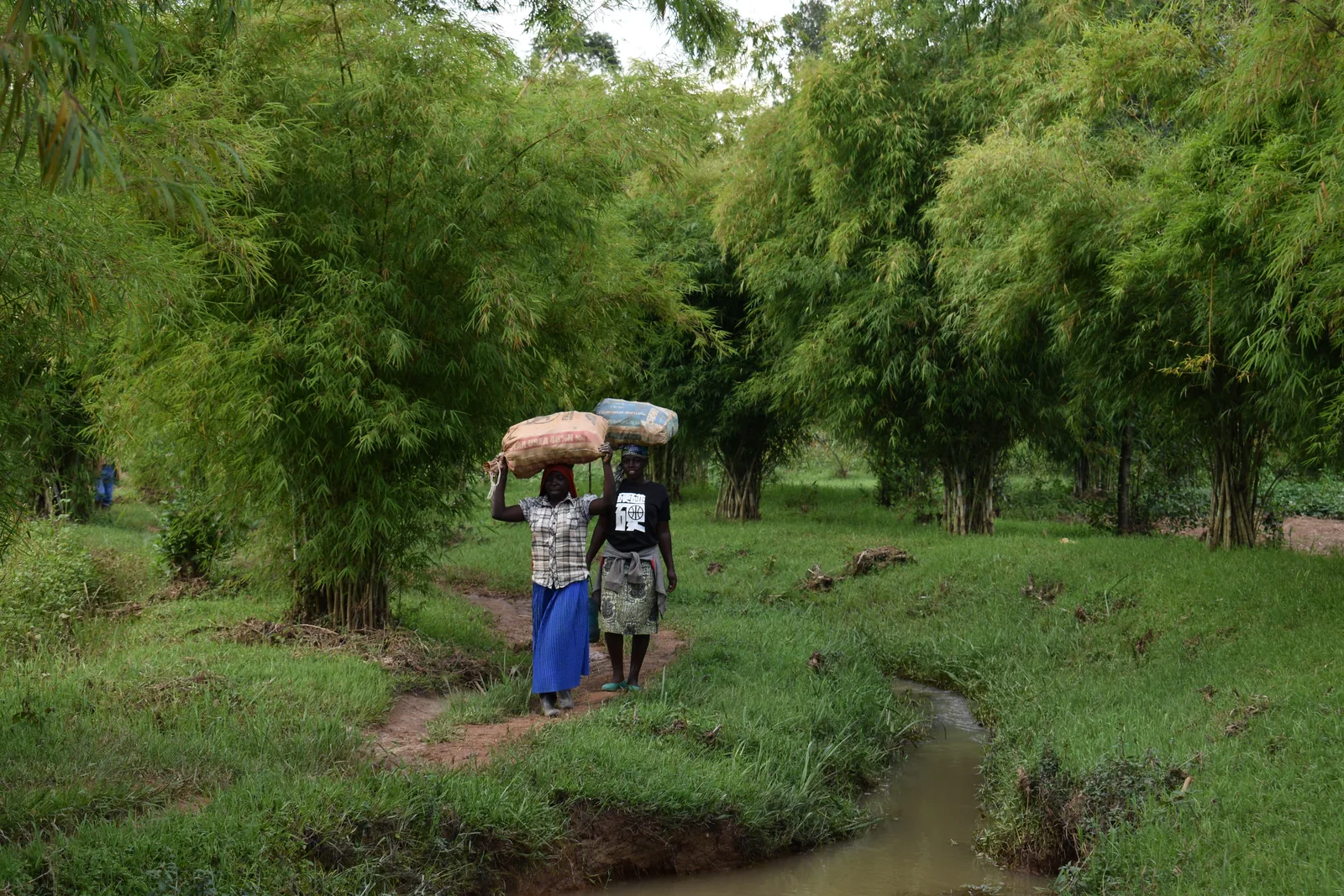
A stream running through a planted riparian buffer in Rwanda, with villagers walking the bank Rwanda · Highland watersheds
VCS 3072 · Rwanda · Registered
Open for forward offtake

Rwanda Riparian Restoration Project

Rwanda’s riparian buffers are government-tenured and protected, yet fragile and exposed to heavy rains. Launched in 2022 after a three-year pilot, the project plants non-invasive clumping bamboo along the banks: a living barrier that binds soils and cuts flooding and siltation downstream. The total planted to date is 2,170 hectares.

4,500 ha
Project area
2022
Project start
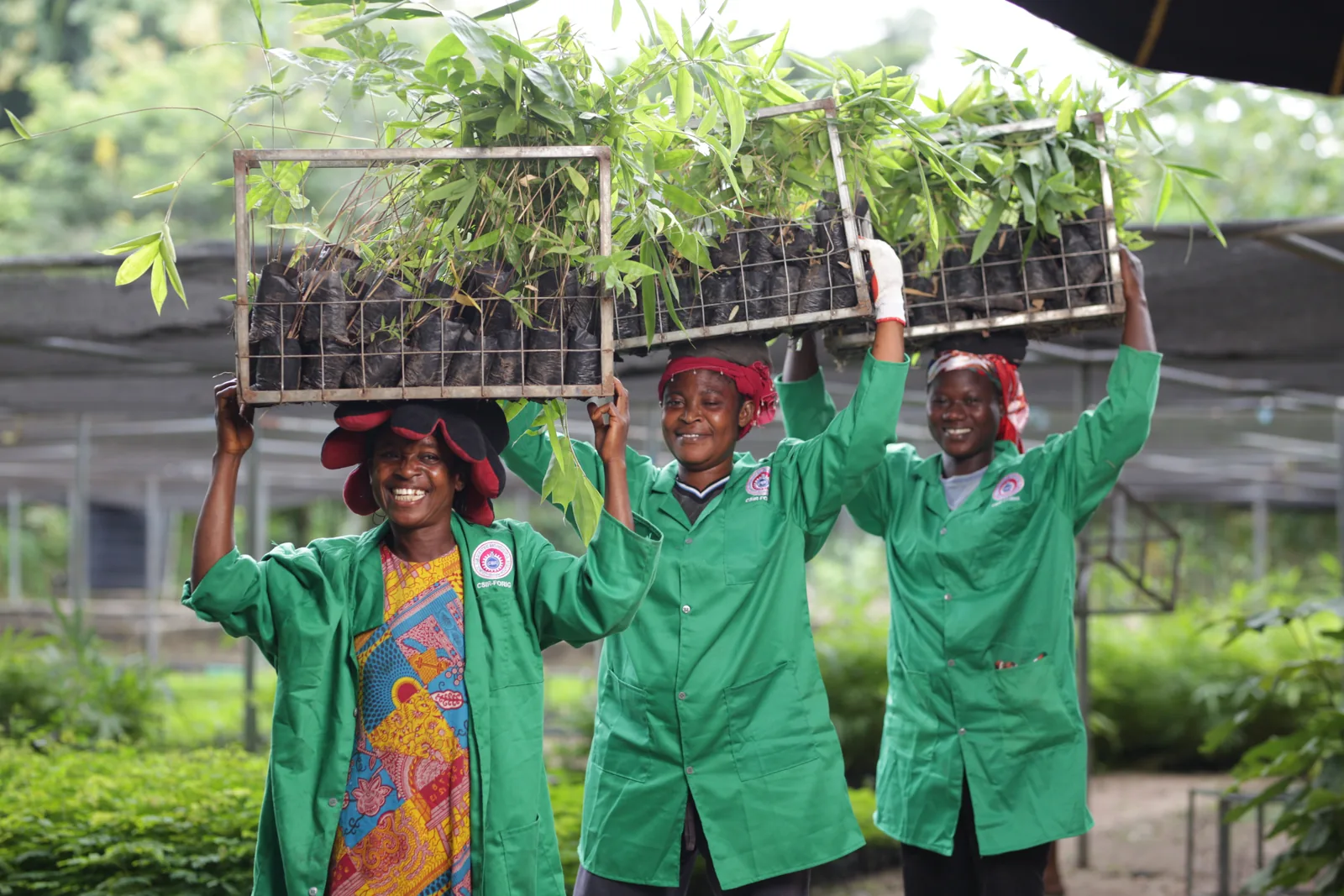
Three EcoPlanet nursery workers carrying a tray of bamboo seedlings overhead in Ghana Ghana · North Bandai PPP
VCS 2928 + 2929 · West Africa · Registered
Fully committed

North Bandai and Bandai Hills Bamboo Reforestation Projects

11,145 hectares of land degraded by fire and illegal charcoal harvesting, regenerated as a public-private partnership with the Government of Ghana across the Ashanti Region. Bamboo has been planted alongside native trees, and the project funds rain-harvesting and sanitation for surrounding communities, where 37–39% of field workers are women.

11,145 ha
Project area
2021 and 2022
Project start
Albany thicket landscape near Makhanda, Eastern Cape South Africa · Makhanda
VCS 3627 · South Africa · Registered
Fully committed

Eastern Cape Restoration Project, Makhanda

Spekboom restoration of Albany subtropical thicket near Makhanda. The earlier of EcoPlanet’s two Eastern Cape spekboom projects, registered with Verra under its own project ID. Expansion of the program continues at Somerset East.

1,398 ha
Project area
2022
Project start
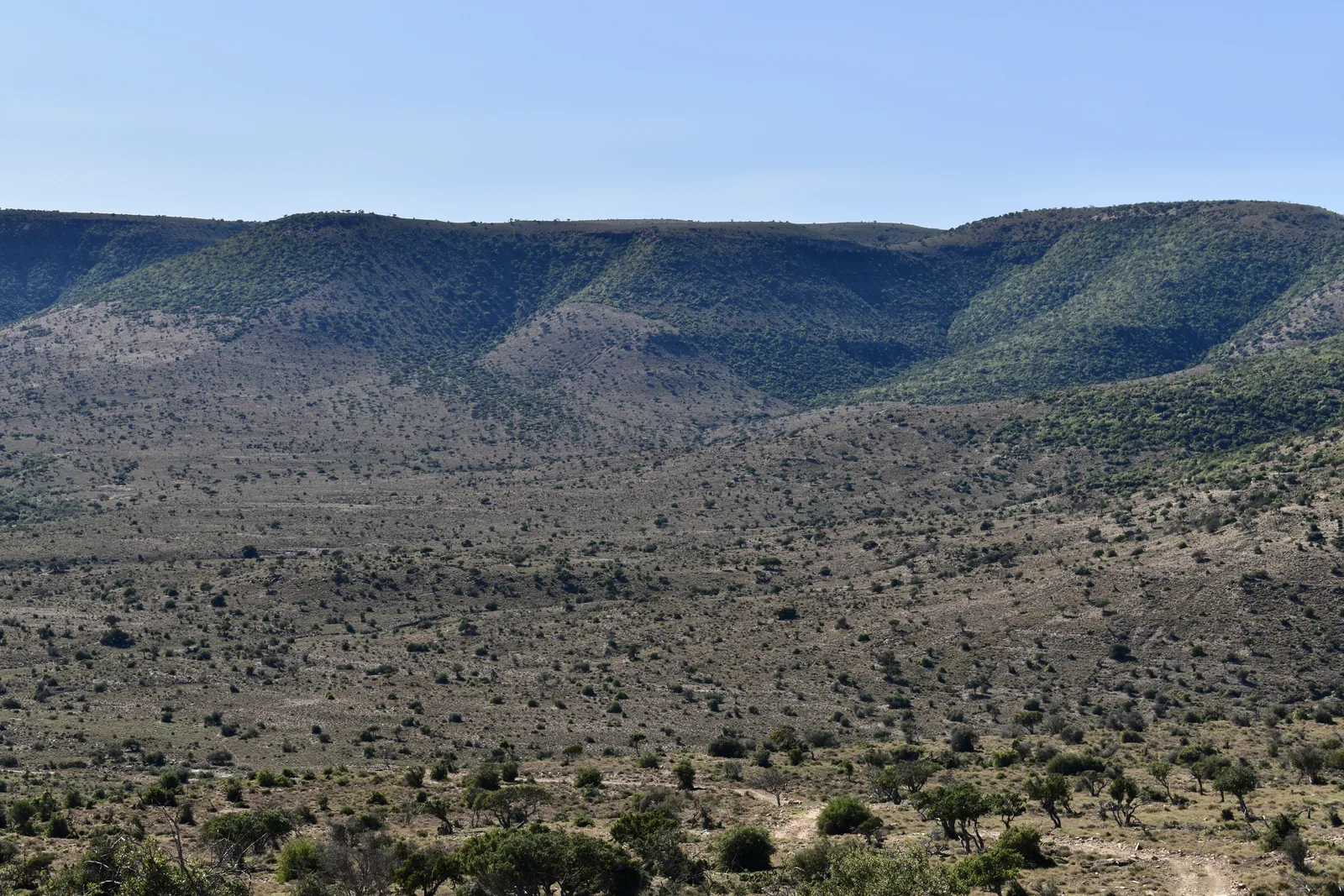
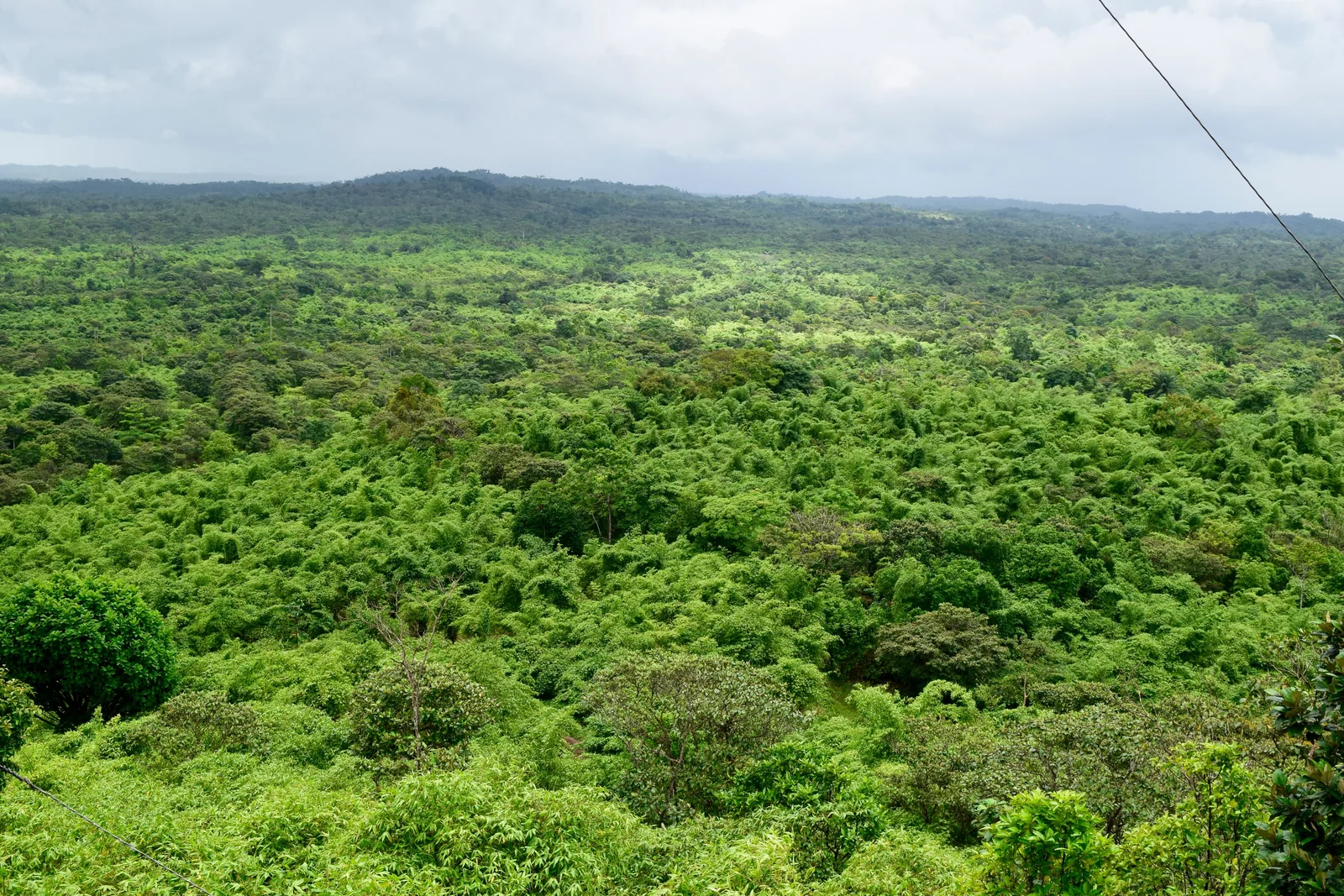
Forested hills across EcoPlanet's restored landscape in Nicaragua Nicaragua · Southern Atlantic Autonomous Region
VCS 1085 · Central America · Registered
Fully committed

EcoPlanet Bamboo Central America Reforestation Project

EcoPlanet’s founding project converted heavily degraded cattle pasture on Nicaragua’s Atlantic Coast into biodiverse bamboo forest, generating the world’s first accredited bamboo carbon under the Verified Carbon Standard. The project supports stable, decent year-round work in a region of historically high unemployment.

Since 2010
Operating
2013
First VCS validation
Partner project

EcoPlanet selectively partners with organizations on projects to support restoration efforts. For the project below, EcoPlanet was contracted for the project design documents and the MRV systems behind it.

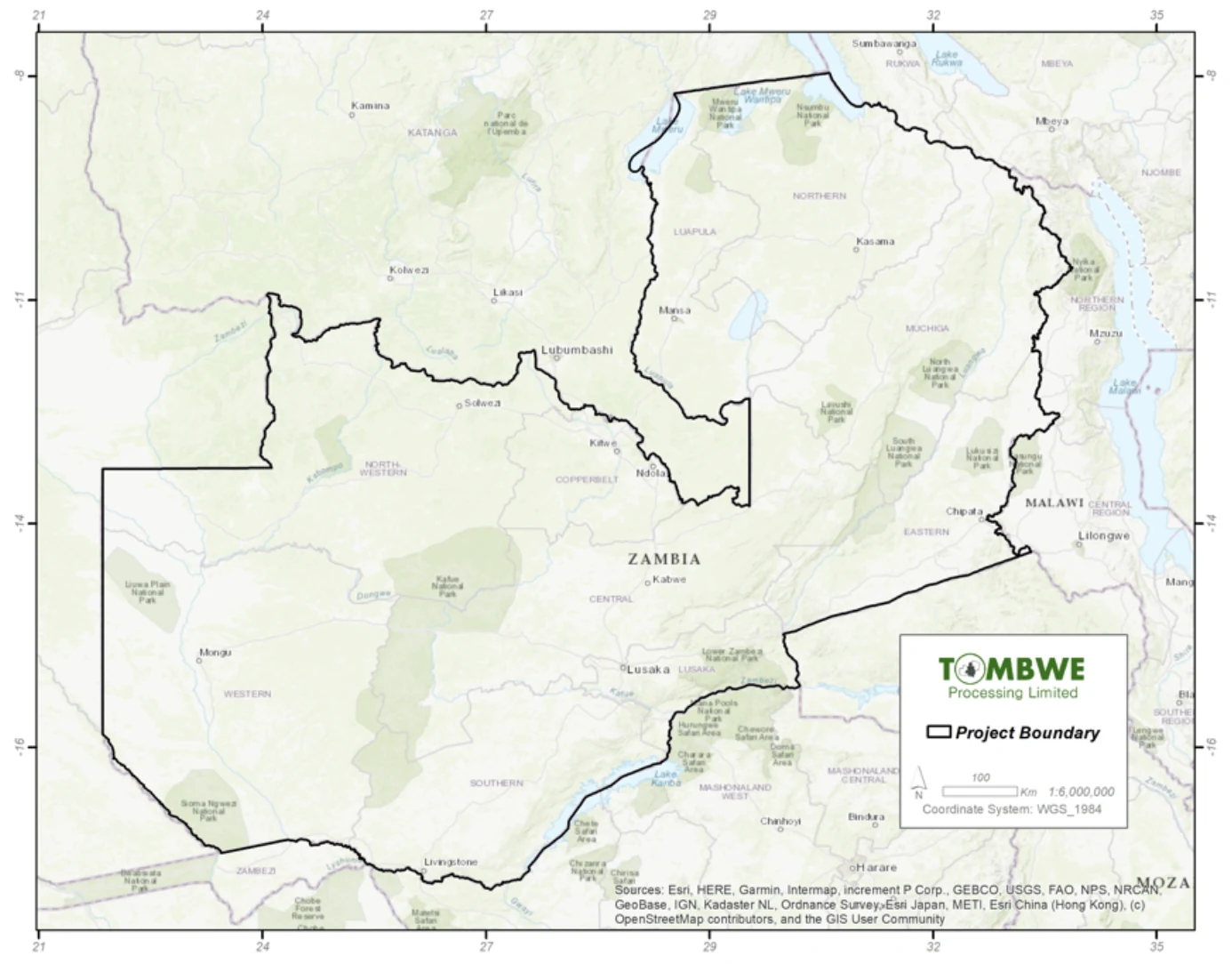
Map of the Tombwe grouped project boundary across Zambia Zambia · Four regions
VCS 2619 · Zambia · Registered
Technical partner

Tombwe Smallholder Reforestation Project

A grouped reforestation project in Zambia, planting clumping bamboo on degraded land with a network of smallholder farmers. Tombwe Processing Limited owns and runs the project; EcoPlanet was contracted to develop the project design document and the MRV systems behind it.

2019
Operational since

Bespoke projects. Beyond our own portfolio we take on a small number of restoration projects each year for governments and conservation organizations, most recently the expansion of Volcanoes National Park in Rwanda, delivered for the Rwanda Development Board and the African Wildlife Foundation. Get in touch if you have a landscape in mind.

From first conversation to retired credit.

Scope

We understand a potential emitting partner’s target carbon removal volume, timeframes, geographical preference and preferred impact profile, and translate this into our area-based approach.

Diligence

The buyer reviews the Verra registry record, project documents, monitoring approach, land and tenure position and commercial terms. We encourage site visits during this stage.

Contract

Forward purchase agreements are structured around project-specific reforestation milestones and the associated delivery schedules, subject to agreed commercial terms.

Monitor, verify and issue

The project undergoes periodic monitoring events, audited by an accredited body. Verra reviews and approves the verification, after which VCUs are issued and transferred or retired against your commitment.

Carbon finance supports a wider restoration outcome.

Projects are designed to create long-term local employment and to protect or restore biodiversity alongside carbon. Community programs are developed from local baselines and priorities, and project-specific outcomes are reported under the standards or monitoring frameworks applicable to that project.

01
Job creation

Permanent and seasonal work in regions with few other employers. More than 2,000 people work across five countries and three continents, over 99% of them hired locally. In the Eastern Cape the project anchors Pearston, in one of South Africa’s highest-unemployment districts.

02
Landscape restoration

Restoring the ecosystem, not only the carbon stock. At Sand River, densely planted native spekboom is bringing back the Albany Subtropical Thicket, a global biodiversity hotspot, on land that had been overgrazed farmland.

03
Sustainable development

Programs set by the communities themselves. Five vegetable growhouses across five districts in Rwanda put fresh vegetables into school meals, at the age when nutrition shapes everything that follows.

Bring us your commitment. We’ll bring the forest.

We work best with buyers who know what they’re trying to achieve, and we say so when we’re not the right match. Tell us your goal. We’ll show you where it meets over fifteen years of work already in the ground.

Want to know more about how these projects work?

Get in touch.

Send us a note