Renewable fiber. Grown on restored land.
Developing circular economies that produce sustainable products, preserve our forests, and prevent plastic pollution.
Make the products. Keep the forests.
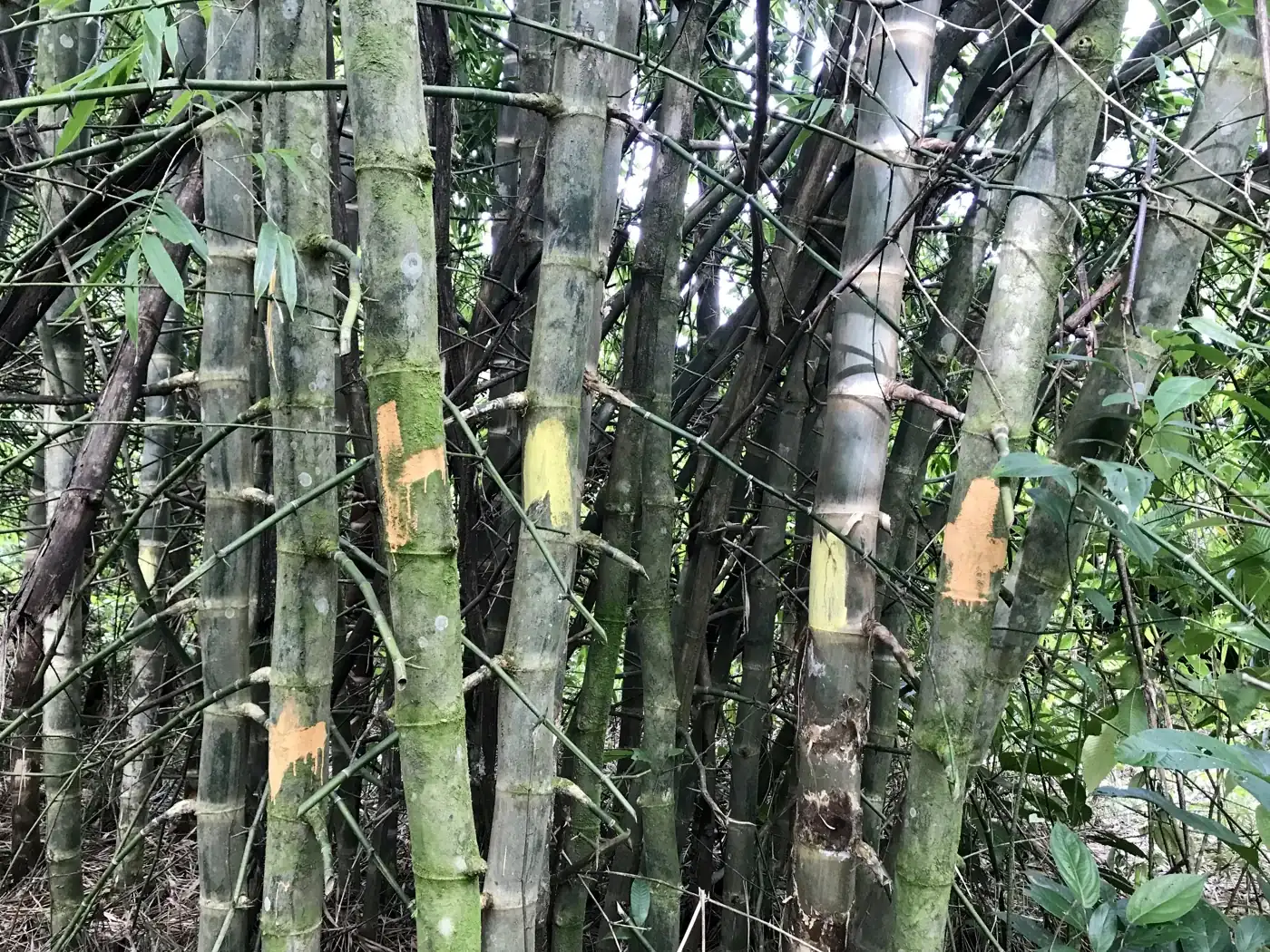
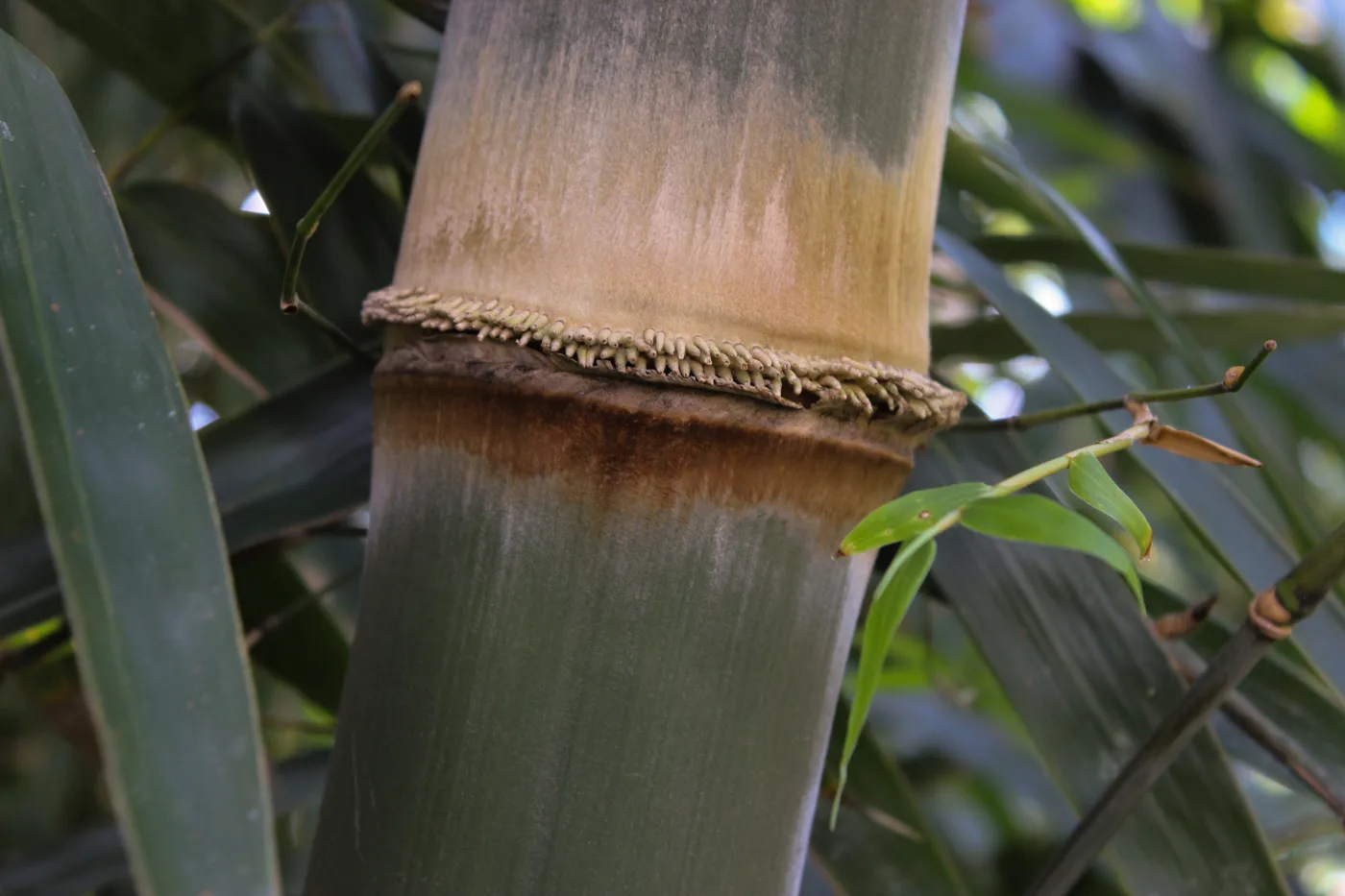
Products such as toilet and tissue paper, and single-use packaging, are established markets with recurring and increasing demand. Bamboo represents an alternative source of non-wood fiber from living forests established and managed on degraded land.
EcoPlanet is developing a local manufacturing platform that will turn the initial bamboo material from our regenerative working forests into pulp for everyday products. Our initial model, ready for deployment, is a network of small-scale facilities located close to each forest.
One pulp platform. Five operating countries.
EcoPlanet is developing a replicable manufacturing model based on facilities designed to produce approximately 10 metric tons per day of 100% bamboo pulp.
The proposed facilities will be located close to our commercial bamboo resources in Nicaragua, Ghana, Rwanda, South Africa and the Philippines. Each would use a common pulp-production platform, with downstream product selection determined by local market demand, technical feasibility and project economics.
Two products the world already buys.
Bamboo fiber has uses across many industries. EcoPlanet is starting with two, chosen for the damage their current supply chains do and for how much changes if that supply shifts.
Toilet and tissue papers
Today: ancient forests are still felled for products used for a few seconds before being discarded.
EcoPlanet: producing high-quality bamboo tissue and toilet paper, helping us transition to a sustainable economy focused on reforestation instead of deforestation.
Molded-fiber and thermoformed packaging
Today: trays, clamshells, food containers and protective packaging are still made from fossil plastic and expanded polystyrene.
EcoPlanet: molded and thermoformed fiber packaging, made from bamboo pulp, for the applications moving away from single-use plastic.
Grow and selectively harvest
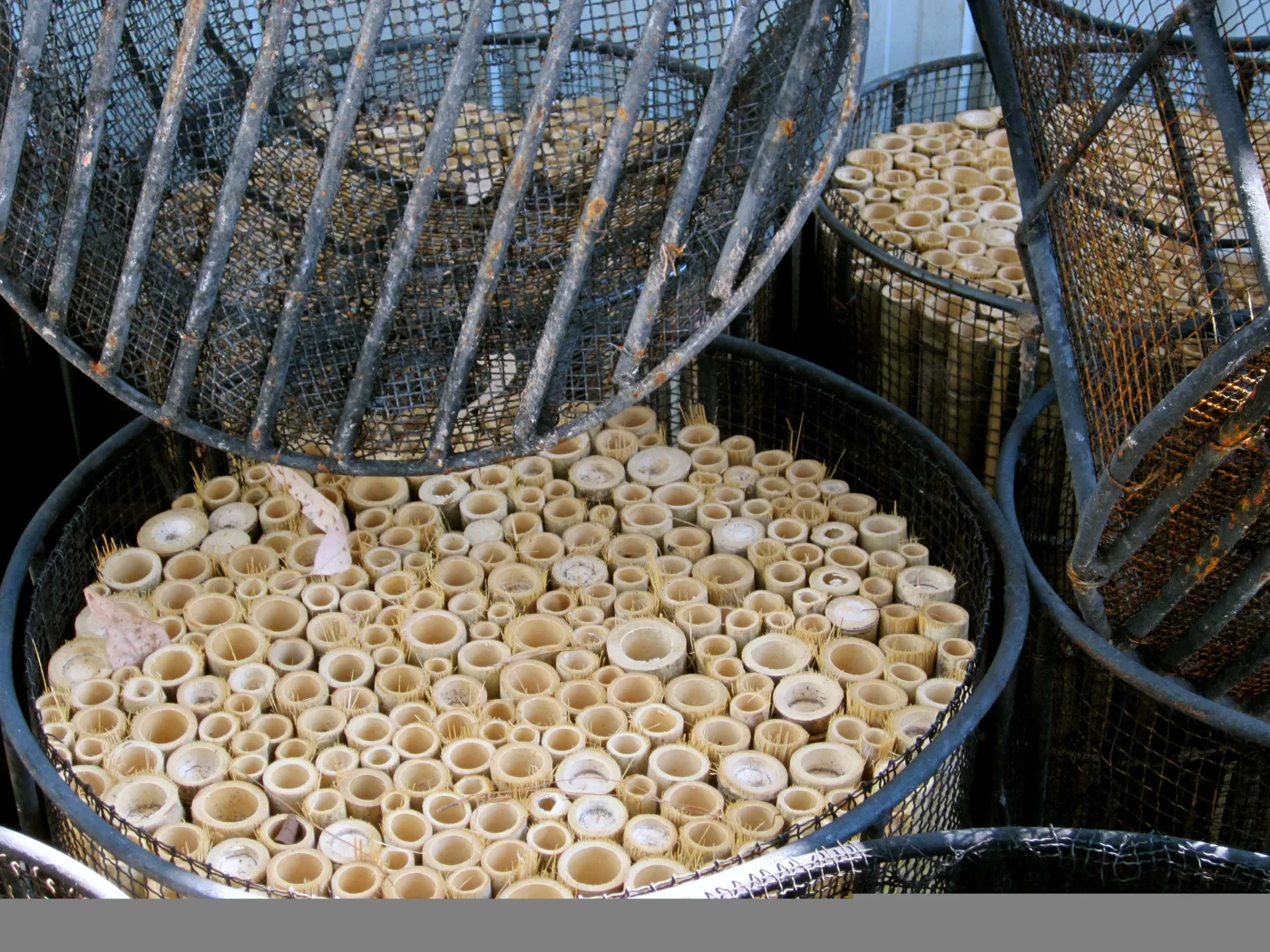
Small volumes of mature bamboo are thinned from EcoPlanet’s regenerative working forests under long-term forest management.
Produce bamboo pulp locally
The proposed manufacturing facilities will process bamboo into pulp close to the forestry resource, creating a common fiber input for downstream production.
Manufacture products for established markets
Bamboo pulp can be converted into tissue and sanitary paper or molded and thermoformed fiber packaging, according to each facility’s selected commercial pathway.
EcoPlanet’s bamboo forestry platform is established and expanding. The next phase is to develop small-scale pulp production facilities that can convert suitable mature bamboo into renewable industrial fiber close to its source.