Today, we contribute to 14 of the 17 Sustainable Development Goals. The United Nations Sustainable Development Goals provide a shared roadmap for building a more sustainable and inclusive future, and EcoPlanet aligns our business and impact models with them to address pressing social, economic and environmental challenges. Each project is informed by ecological and socioeconomic baseline assessments, enabling us to deliver meaningful, measurable impact. Our projects are registered under Verra’s VCS, with co-benefits quantified and verified under SD VISta or the CCB Standards.

1No Poverty
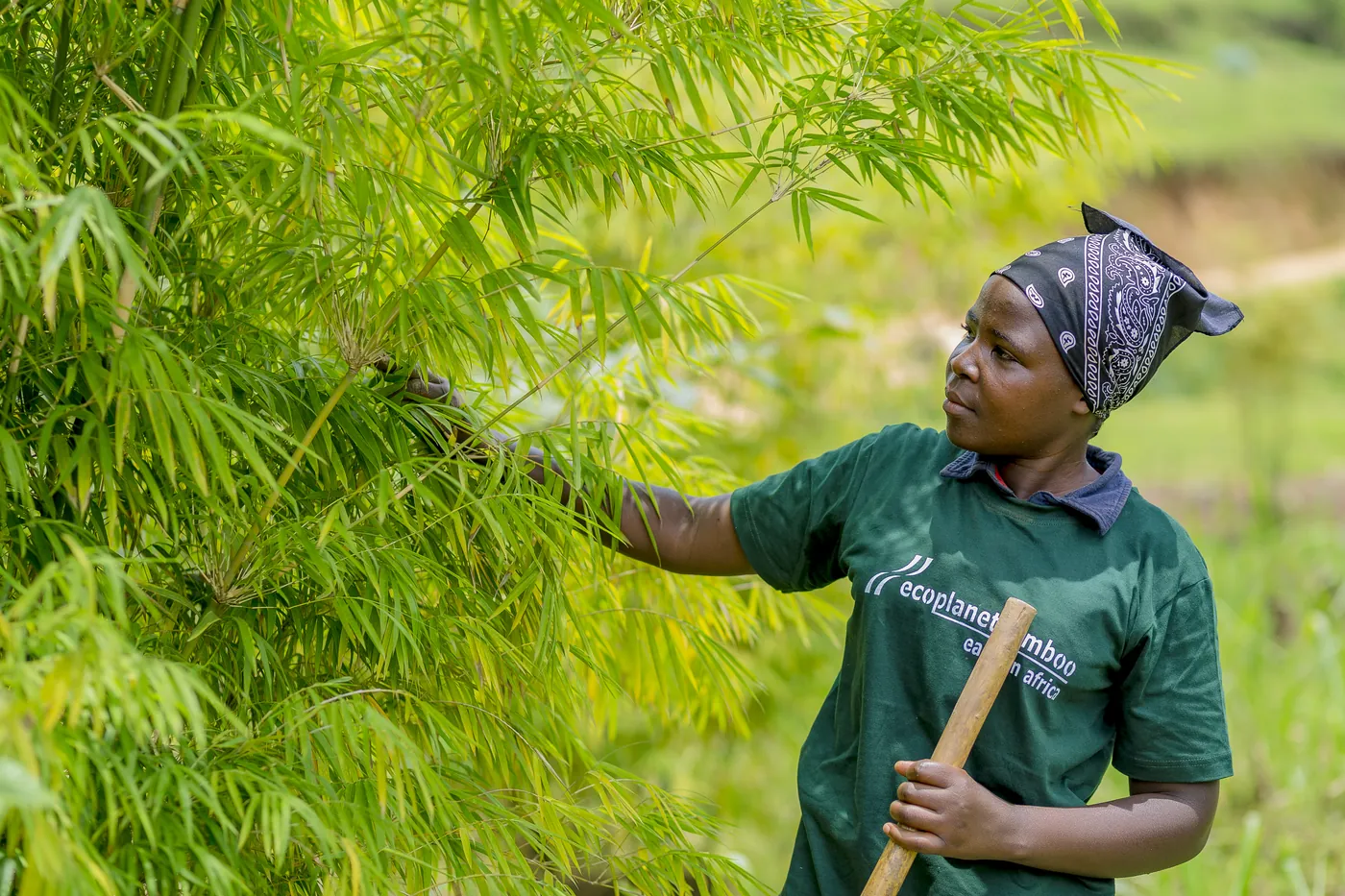
EcoPlanet prioritizes local employment across all projects, providing fair wages and helping address unemployment in the rural communities where we operate.
2Zero Hunger
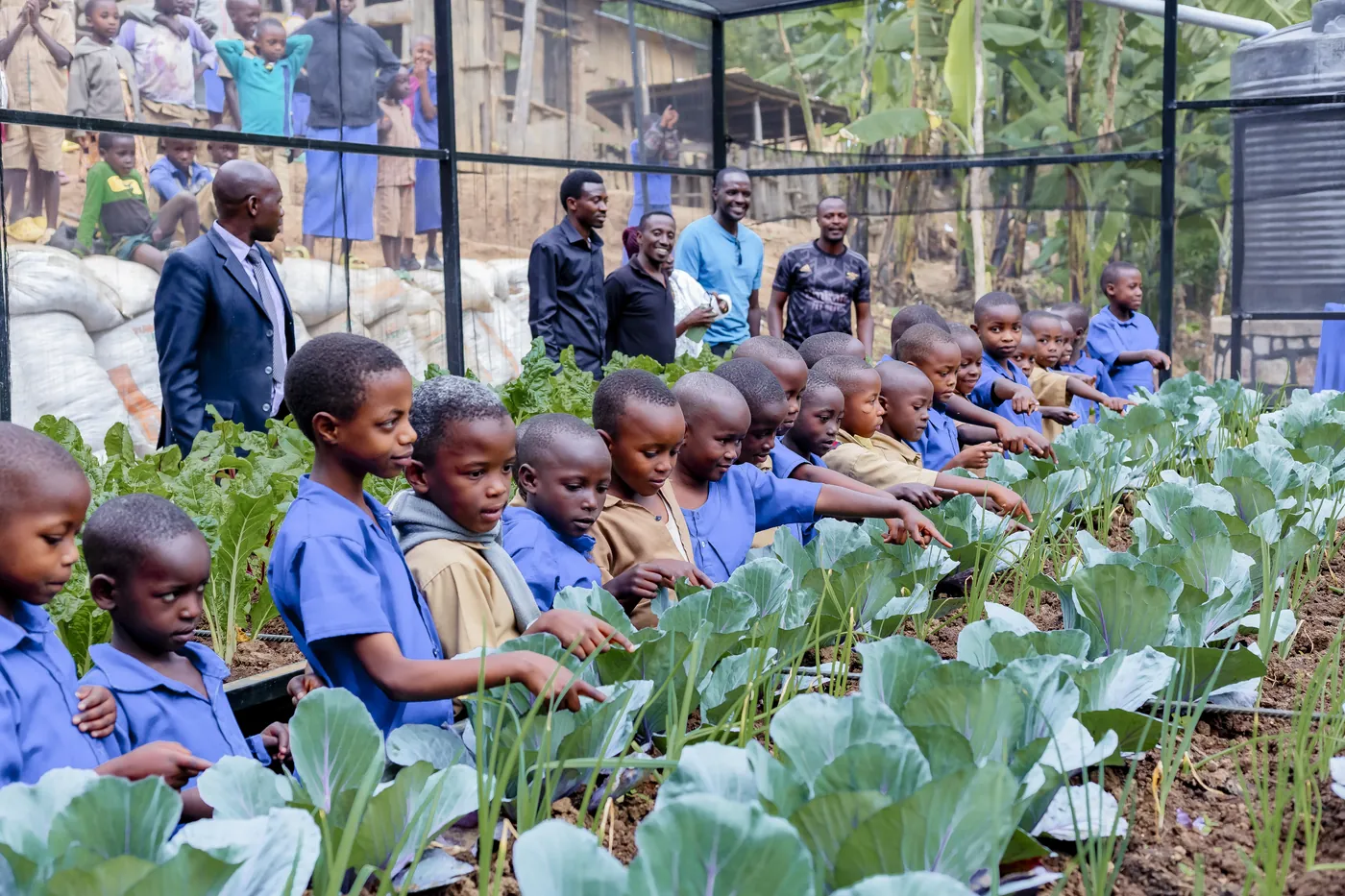
EcoPlanet has established community and school-based vegetable gardens and growhouses to support year-round production in Ghana, South Africa and Rwanda. Our projects have improved access to fresh vegetables for vulnerable children and households.
3Good Health and Well-Being
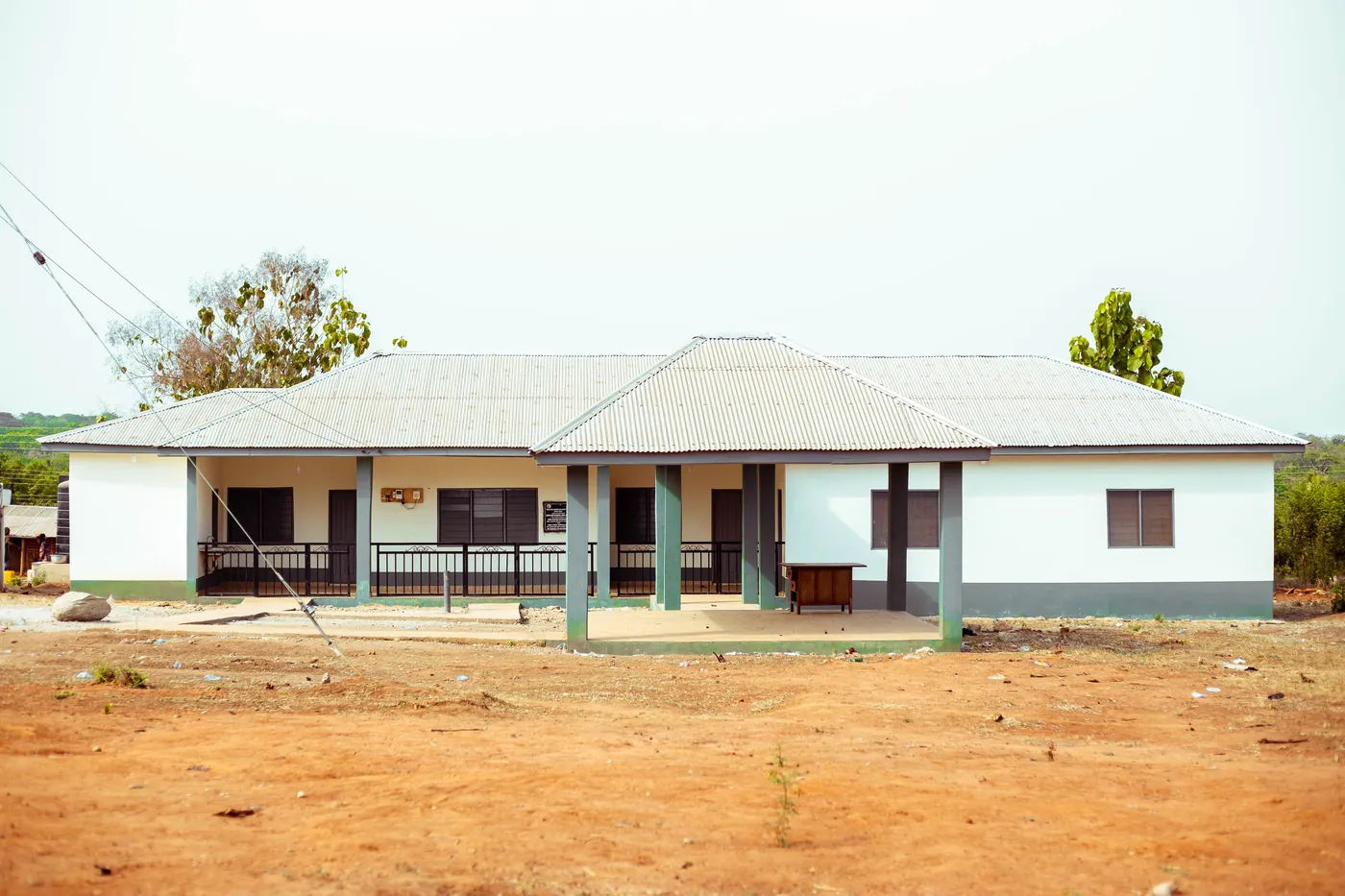
EcoPlanet supports healthy communities by establishing and expanding local health care infrastructure to improve service delivery to underserved residents. Projects were delivered in South Africa, Rwanda and Nicaragua.
4Quality Education
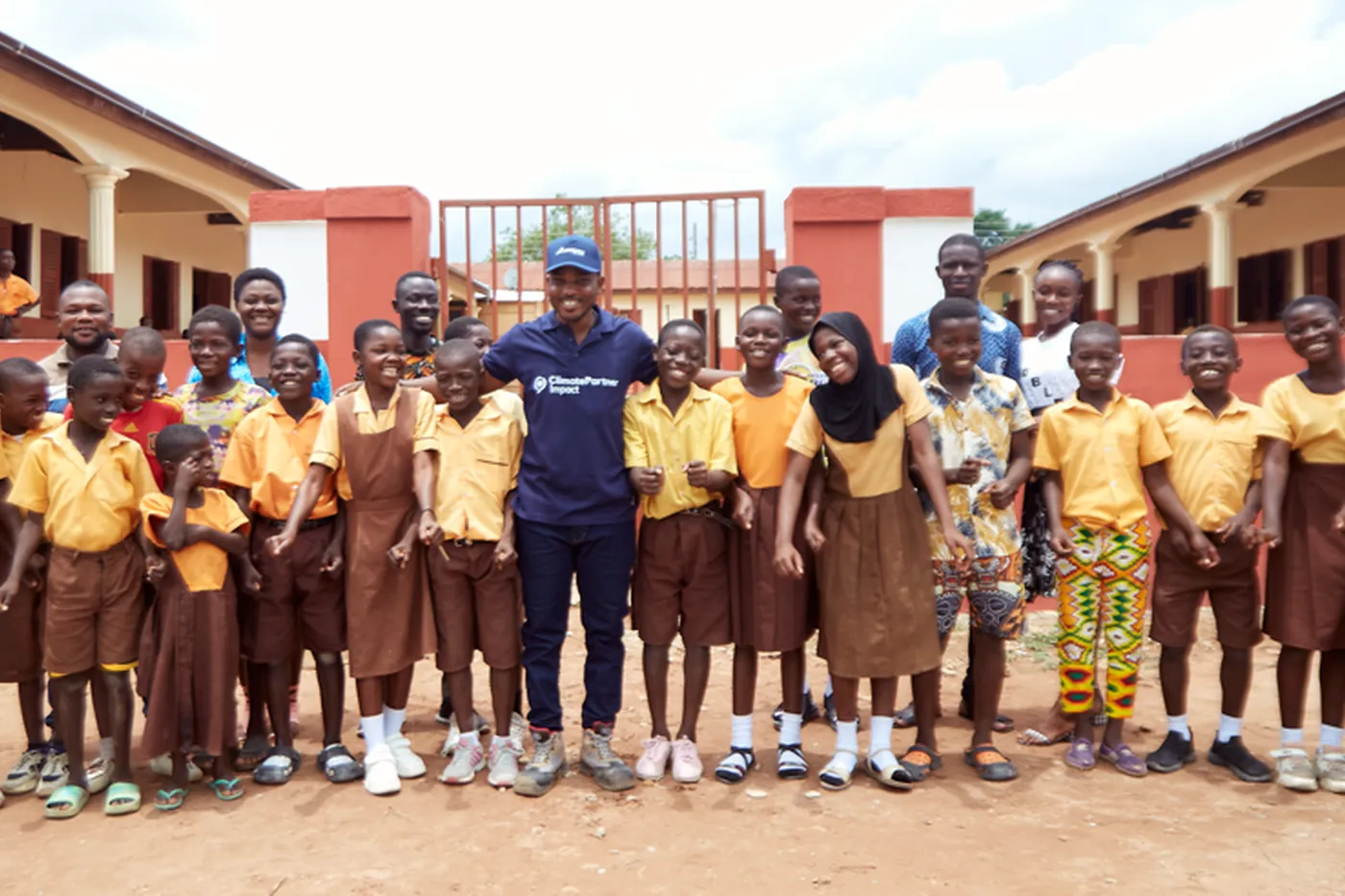
EcoPlanet supports educational projects in Ghana, South Africa, Rwanda, the Philippines and Nicaragua. We have expanded and renovated school infrastructure, provided assets such as computers and supported the capacitation of local teachers and students on sustainability topics linked to climate change.
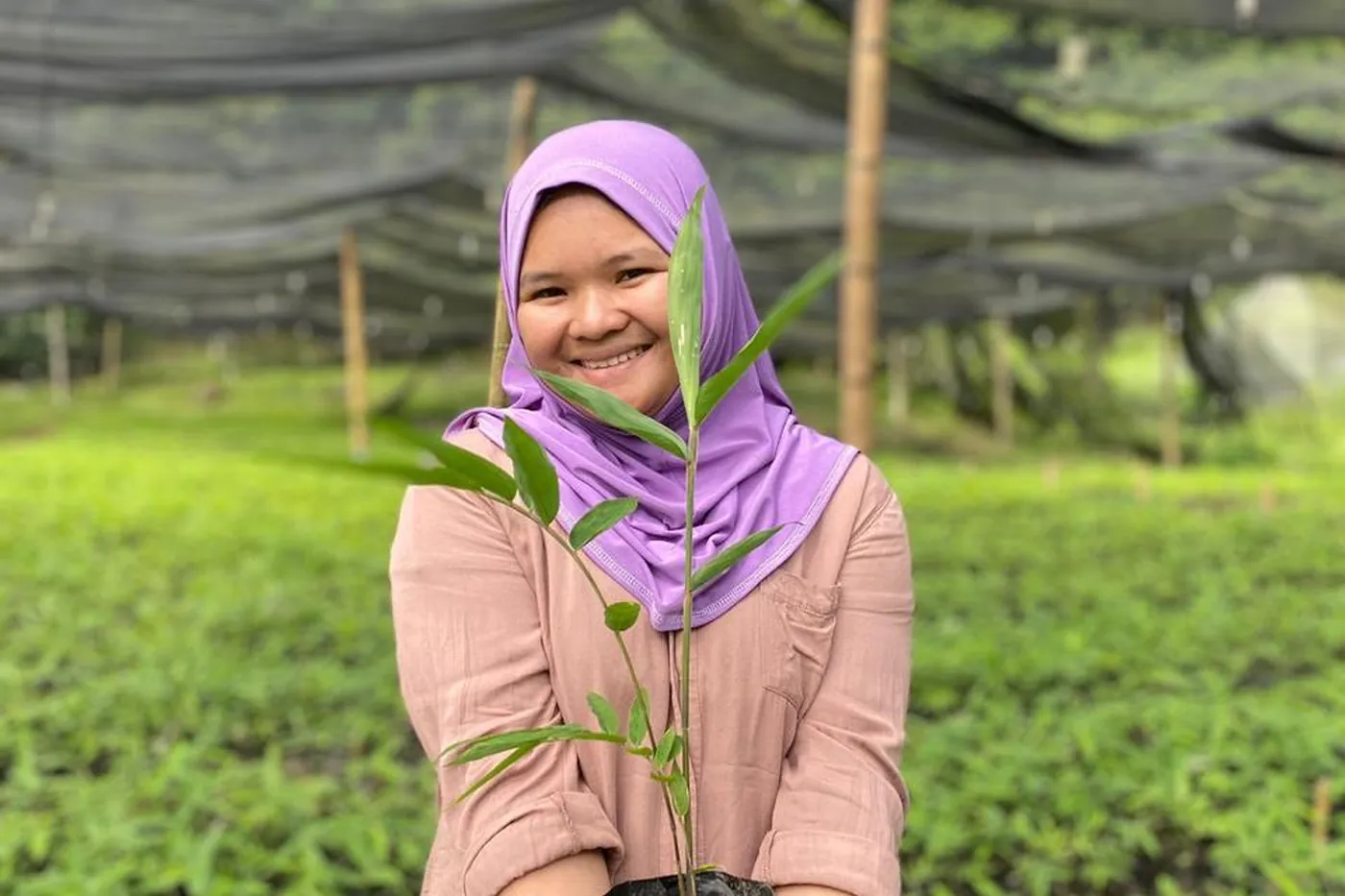
5Gender Equality
EcoPlanet champions women’s inclusion across leadership, our workforce and community impact projects. Women currently represent 80% of our leadership team and 42% of our wider workforce, measured across peak production in 2025. Every impact project is designed to include and empower women, youth and underrepresented groups.
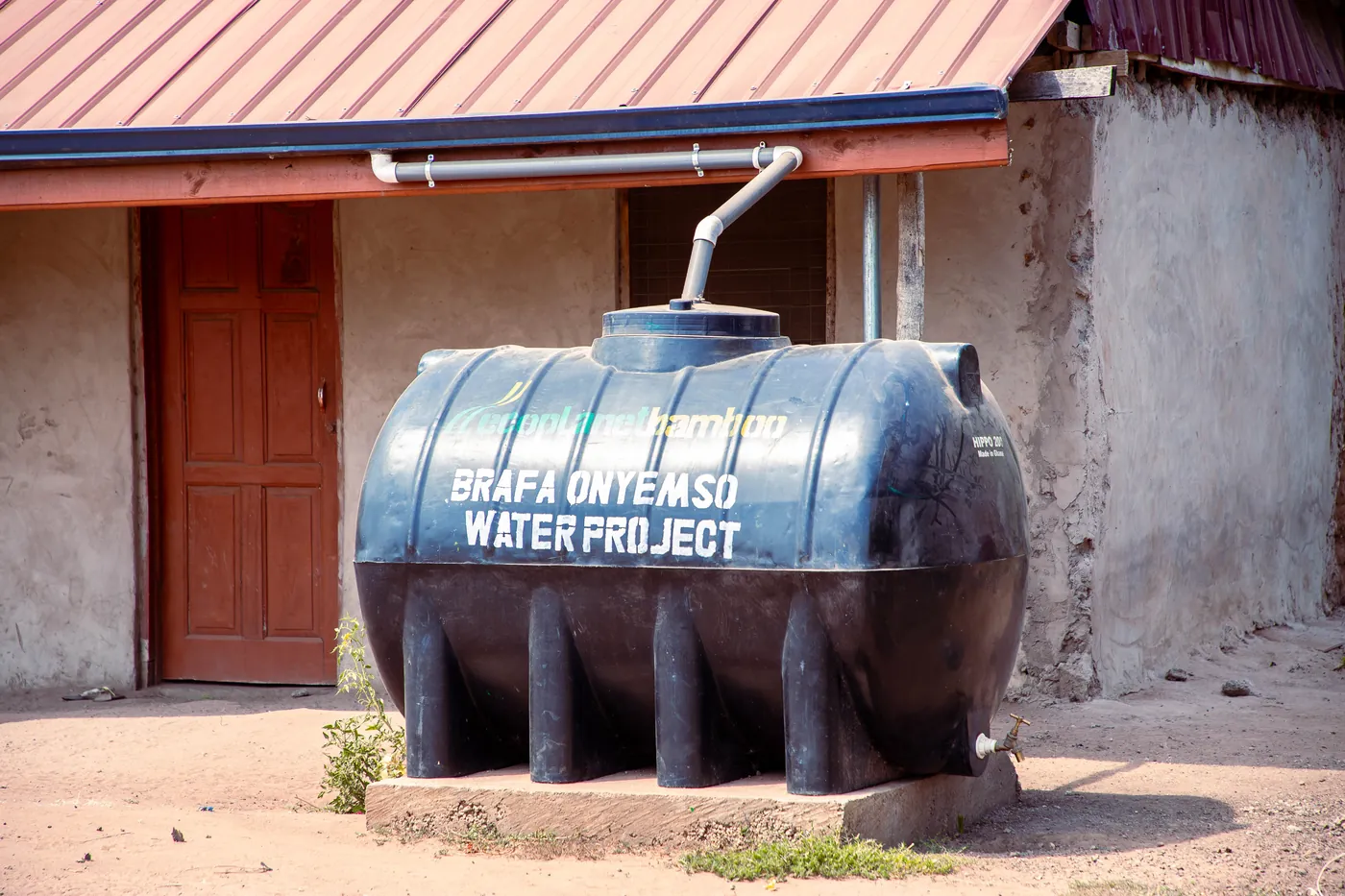
6Clean Water and Sanitation
From the outset, EcoPlanet has focused on meeting the essential needs of the communities where we work and live. We have installed boreholes, rainwater harvesting systems and improved natural springs, reducing communities’ reliance on rivers and streams. We have also constructed sanitation facilities, expanding access to hygiene and dignity for residents.
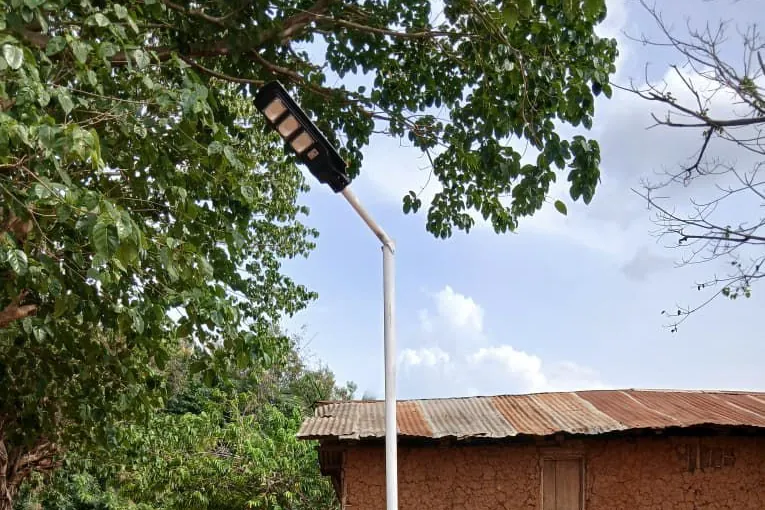
7Affordable and Clean Energy
As we develop products that support the transition to cleaner energy, we are also bringing solar-powered lighting to rural communities in Ghana and the Philippines, improving safety, supporting education after dark and strengthening community connection.
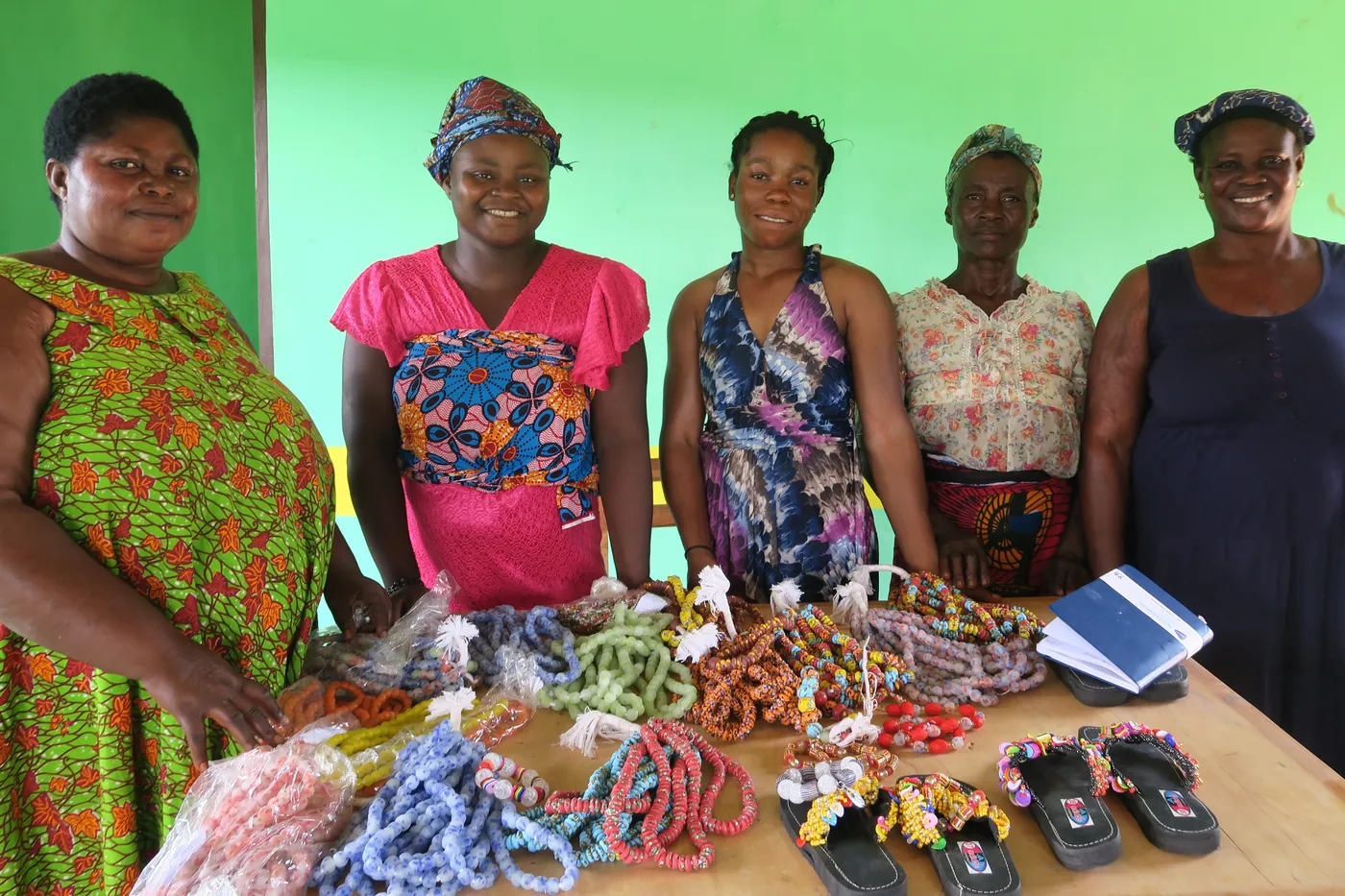
8Decent Work and Economic Growth
Alongside creating decent and fair employment within our operations, EcoPlanet has equipped local people with practical and business skills to build livelihoods and local economies. Across South Africa, Ghana and Rwanda, community members are turning these skills into businesses, micro-enterprises and cooperatives.
9Industry, Innovation and Infrastructure
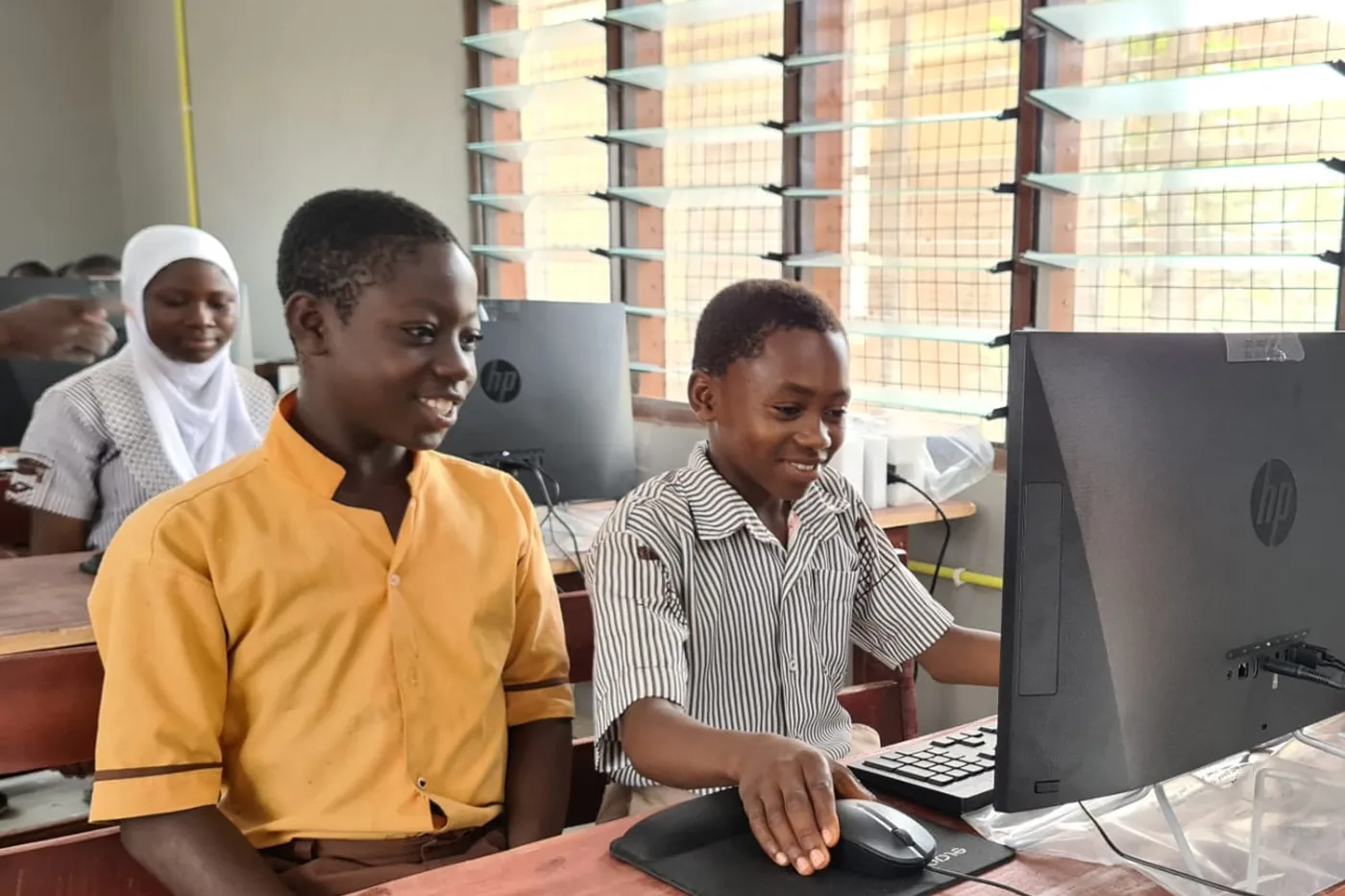
EcoPlanet is advancing environmentally responsible technologies and processes to produce bamboo-based packaging, bioethanol and sustainable fuels. At the community level, we are also helping bridge the digital divide by expanding access to computers and digital learning in rural Ghanaian schools.
11Sustainable Cities and Communities
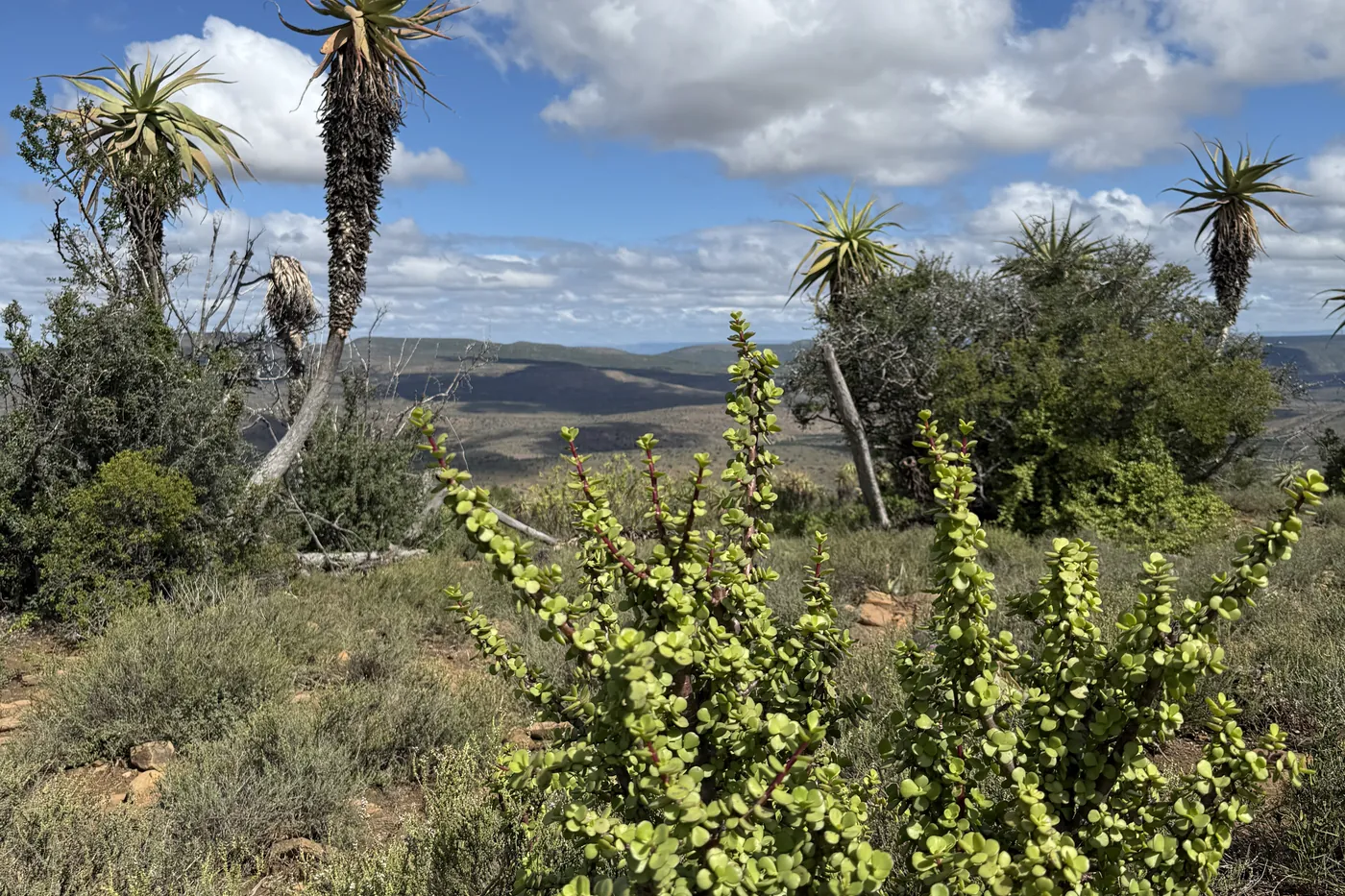
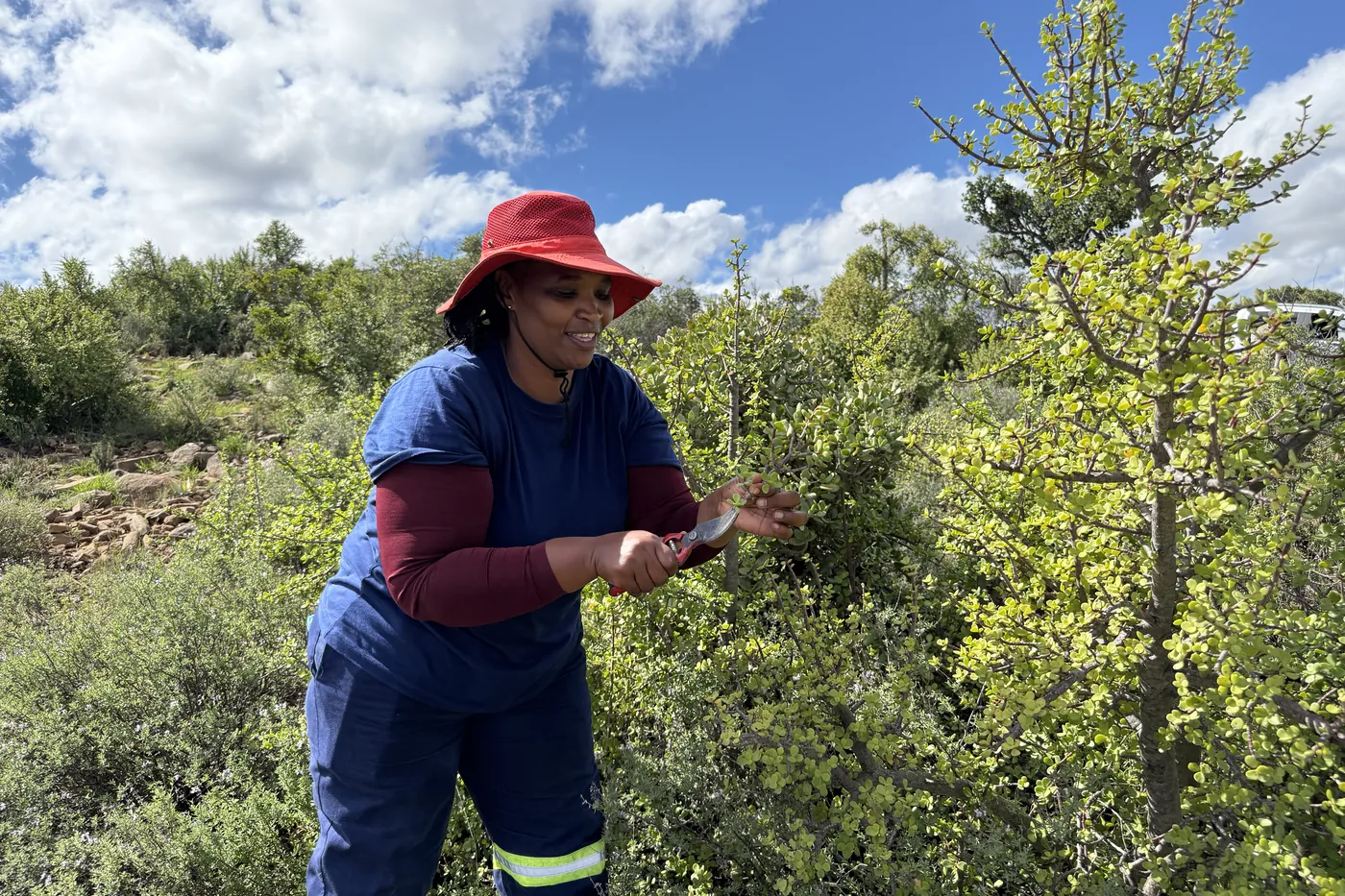
Our spekboom restoration projects in South Africa’s Eastern Cape are located within the Maputaland-Pondoland-Albany biodiversity hotspot, helping restore and protect the natural heritage of the Albany Thicket. In addition, our community-based projects in the Philippines and South Africa have also contributed to creating green public spaces for community residents.
12Responsible Consumption and Production
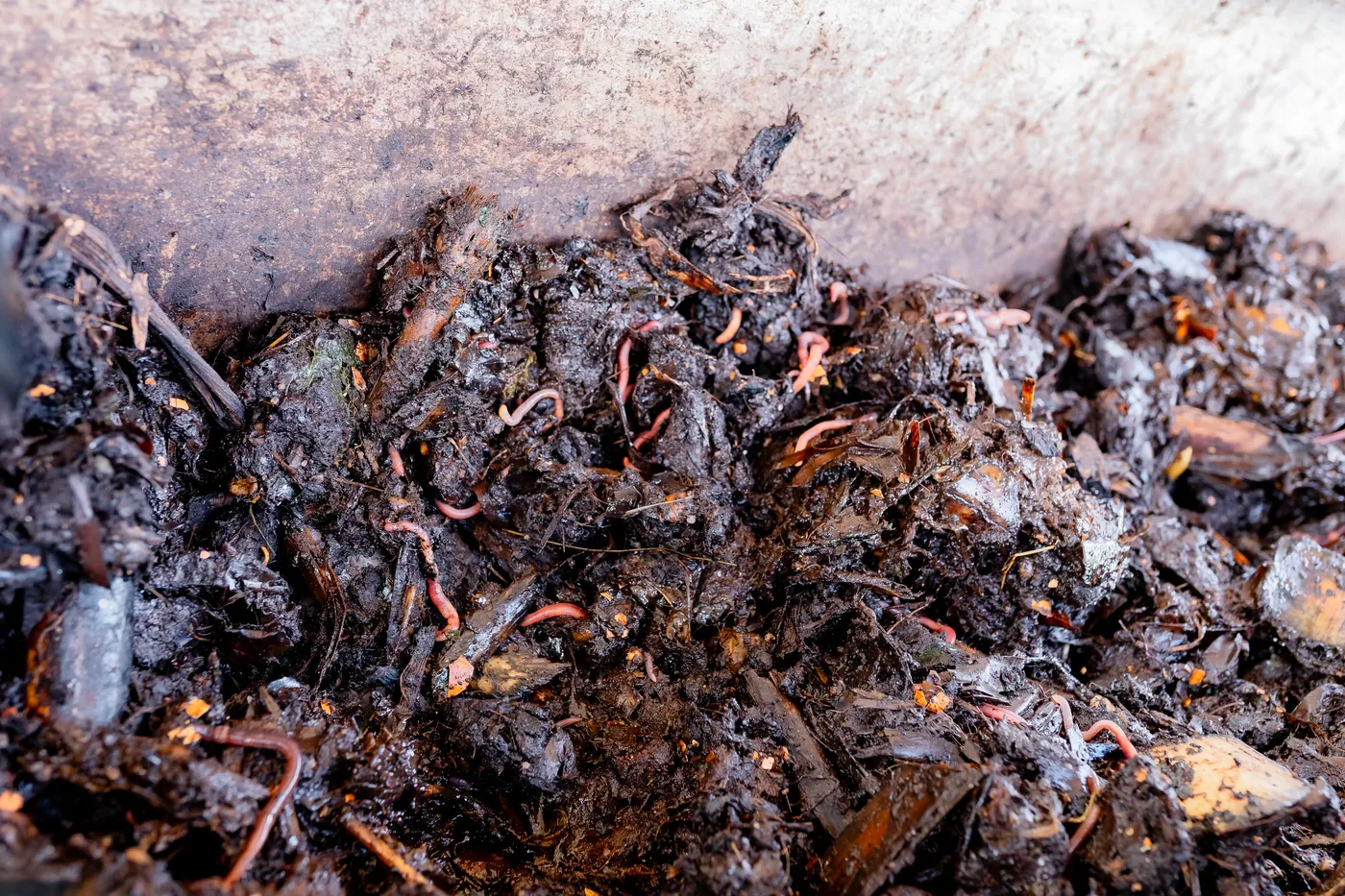
Across our projects in Ghana, South Africa, Rwanda, the Philippines and Nicaragua, EcoPlanet reduces waste through reuse, recycling and circular solutions. We equip workers and local communities with practical skills in projects such as windrow composting, black soldier fly production, vermiculture and the manufacture of recycled plastic-based bricks.
13Climate Action
EcoPlanet’s projects are validated and registered under Verra’s Verified Carbon Standard, with achieved removals verified as they occur, demonstrating and quantifying our contribution to climate action. Within our communities, our teams bring climate education into local schools, helping children understand climate change and the practical actions they can take to protect their future.
15Life on Land
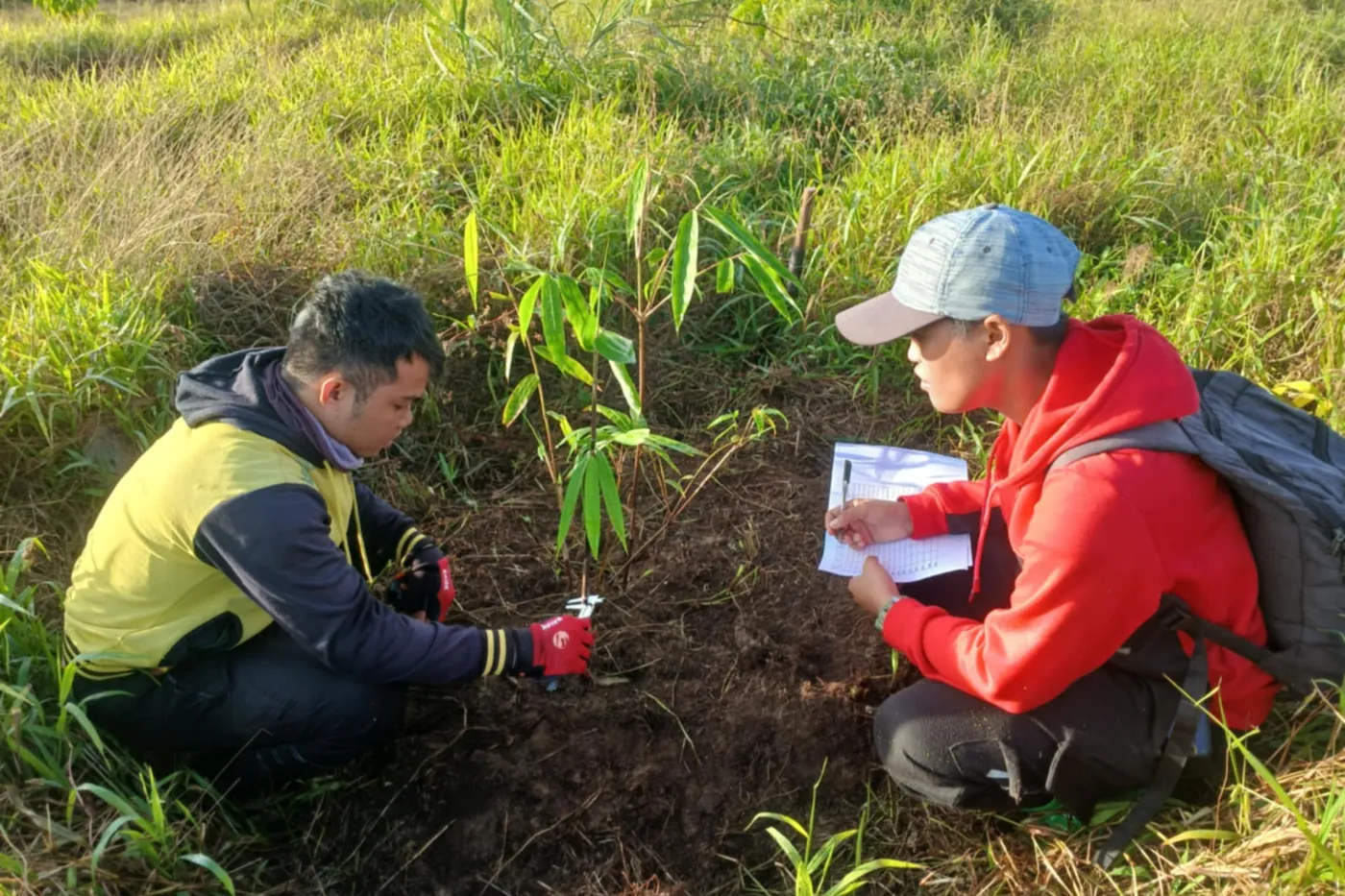
Our projects are designed to restore and safeguard ecosystems today, while enabling the responsible use of our bamboo in the future. By planting bamboo and restoring indigenous tree species, we are rebuilding soil health, reviving degraded landscapes and supporting long-term ecosystem recovery.
17Partnerships for the Goals
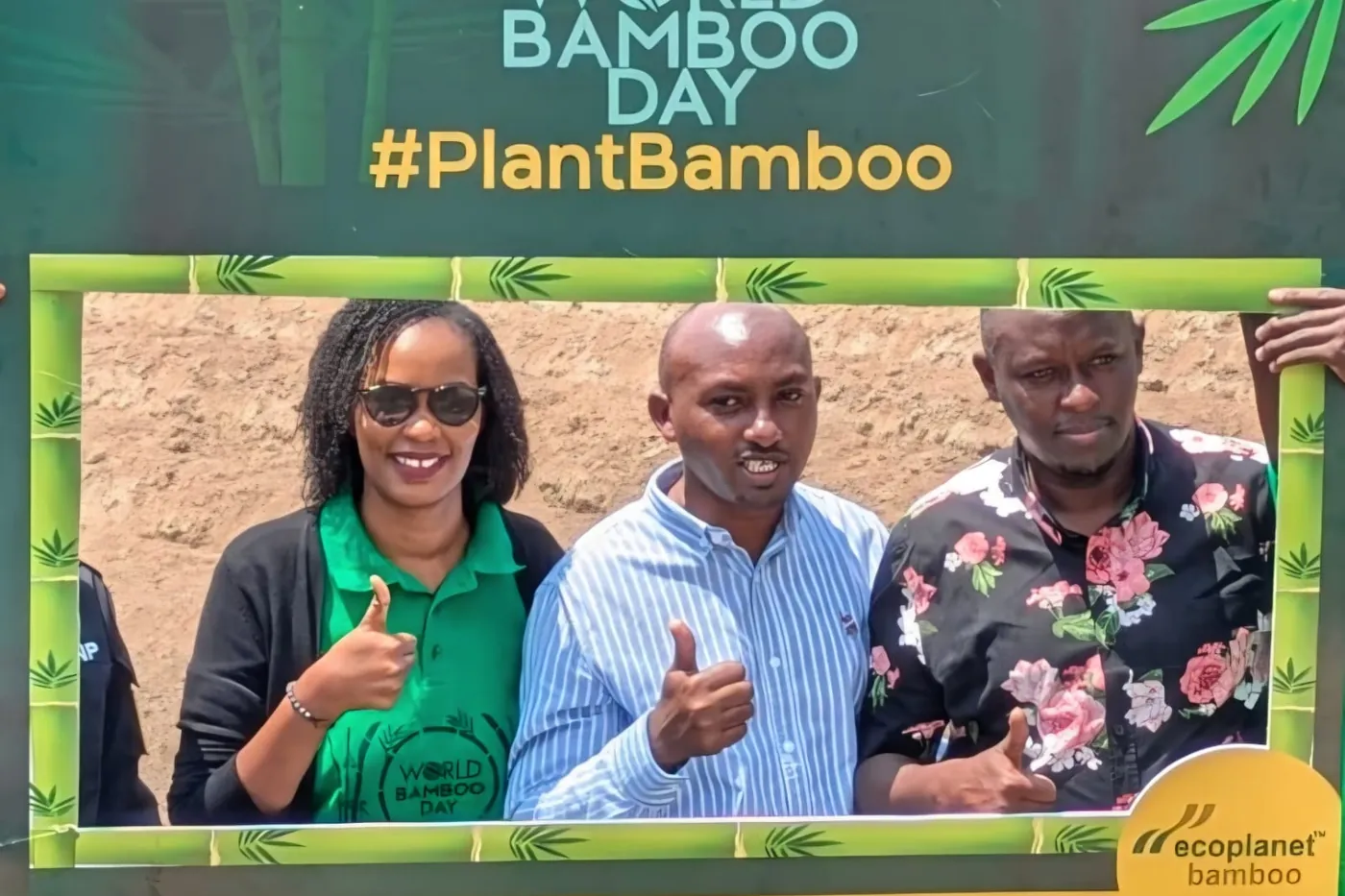
Partnerships are central to the success of every EcoPlanet project. We collaborate with government institutions, local authorities and private sector partners to deliver on the SDGs.