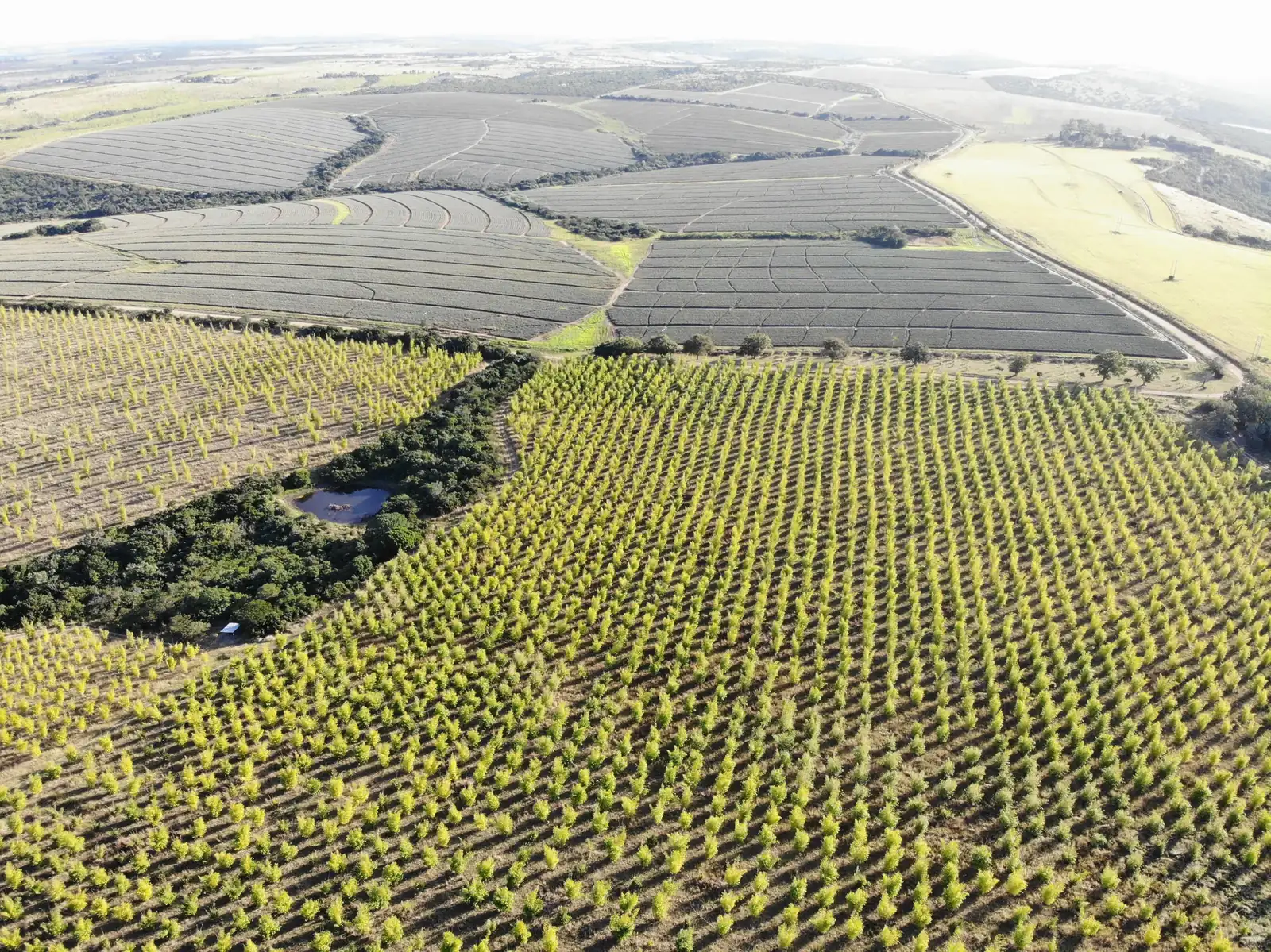
The next generation’s oil wells are living forests.
We are developing a platform of bamboo-based biorefineries, toward next-generation renewable liquid fuels.
From renewable forestry to renewable liquid fuels.
Aviation, shipping and other hard-to-electrify sectors will continue to require energy-dense liquid fuels as they transition away from fossil fuels. Producing those fuels at scale requires both suitable conversion technologies and dependable, sustainable sources of biomass.
EcoPlanet is developing cellulosic ethanol biorefineries around its commercial bamboo forestry platform. By establishing and managing our living forests as a sustainable, climate-positive biomass resource over the long term, we aim to address one of the central challenges facing advanced biorefineries: securing sufficient, secure and consistent feedstock over the operating life of the facility.
Our initial conversion focus is fuel-grade cellulosic ethanol. This can serve established fuel and industrial markets and provide a potential intermediate for downstream sustainable aviation fuel production.
Why electrification alone will not get us to net zero.
Co-founder and CEO Camille Rebelo explores why electrification alone will not meet every sector’s energy needs, and the role sustainably grown bamboo could play in the transition to renewable liquid fuels.
How bamboo becomes fuel.
Establish the feedstock
EcoPlanet develops and manages living forests on suitable degraded lands, establishing a long-term renewable biomass resource of climate-positive bamboo for industrial-scale conversion. These forests are at the heart of our bioeconomy platform.
Grow and selectively harvest
The ecology of bamboo allows for the harvesting of select poles on an annual basis with no replanting for decades, making bamboo one of the most sustainable forms of woody biomass on the planet. Our forests are managed to supply long-term biomass to onsite biorefineries.
Convert to liquid fuels
The targeted biorefineries will use a proven lignocellulosic conversion technology to produce fuel-grade ethanol alongside acetic acid and furfural from bamboo biomass. A secondary pathway to sustainable aviation fuel, renewable diesel and renewable petroleum is under development.

Building a platform for industrial-scale biorefineries.
EcoPlanet’s liquid fuels strategy is to develop integrated biorefineries alongside each bamboo forestry asset, connecting secure renewable biomass production with local industrial processing.
The forestry platform comes first.
Our experience establishing and managing large-scale bamboo resources provides the basis for developing dedicated feedstock supply, with our initial portfolio of projects capable of delivering on significant volumes of woody biomass.
Next generation biorefineries are the end goal.
Each biorefinery will be developed around its specific resource base, utilizing a proven next-generation technology specifically designed for woody biomass.
A replicable blueprint model.
Established forestry capabilities
Restoration of degraded lands utilizing carbon finance into living forests, securing bamboo biomass supply and in-country operating teams.
Small-scale pulp facilities
Allowing the transition to sustainable harvesting, developing initial infrastructure and logistics to support the industrial platform.
Integrated biorefinery development
Proven technology, implemented at industrial scale on site, producing bioethanol and co-products to contribute directly toward low-carbon economies.
Scaling and replication
A repeatable project development approach that can be applied across emerging markets, securing livelihoods, restoring landscapes and creating holistic bioeconomies.