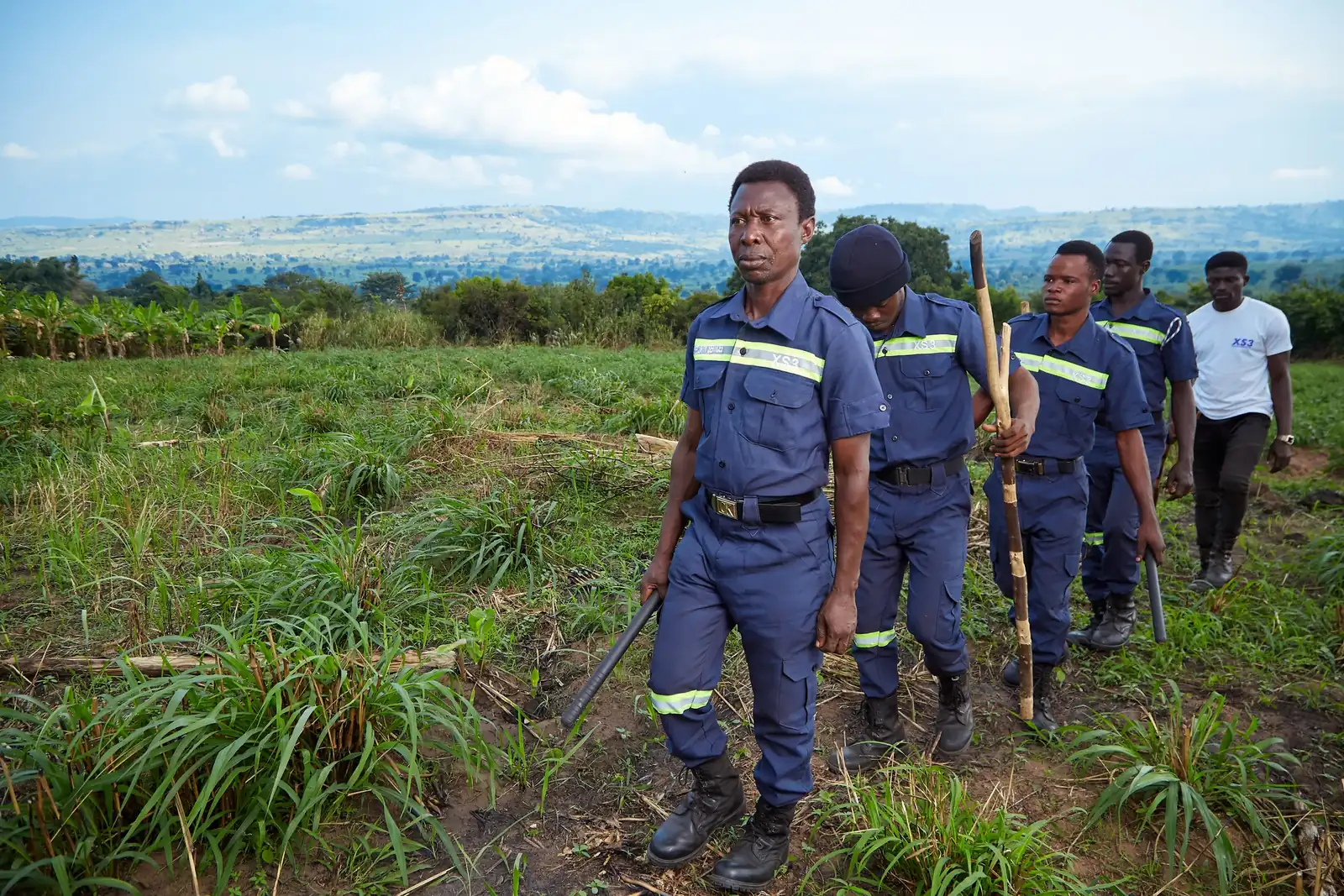
11,145 hectares in the Ashanti Region.
A public-private partnership with the Government of Ghana, in the Ashanti Region.
The North Bandai and Bandai Hills Bamboo Reforestation Projects have run as a public-private partnership with the Government of Ghana since 2015, supporting the socioeconomic development of 13 communities located within 5 km of our project.
Impact on the SDGs.
No Poverty
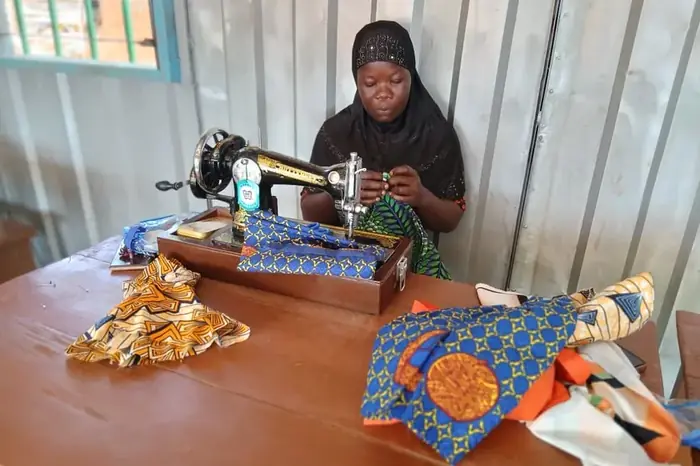
EcoPlanet helps alleviate poverty by creating sustained local employment and supporting community enterprises that generate additional income. Household gardens reduce food expenses, while initiatives such as dressmaking, soap production, beadwork, beekeeping and regenerative farming help vulnerable households build skills, diversify livelihoods and strengthen their financial resilience.
Zero Hunger
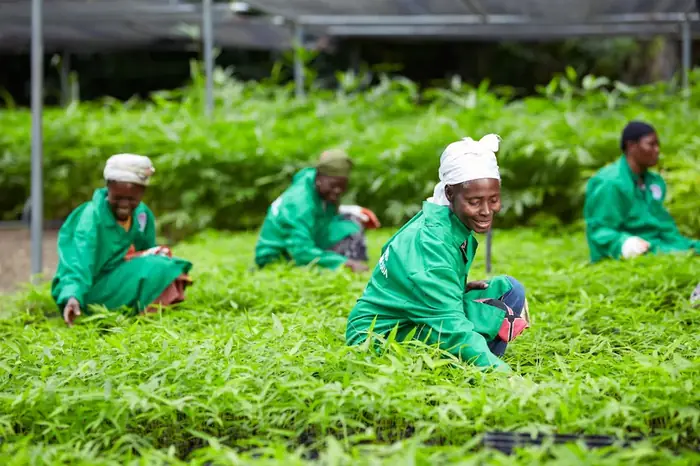
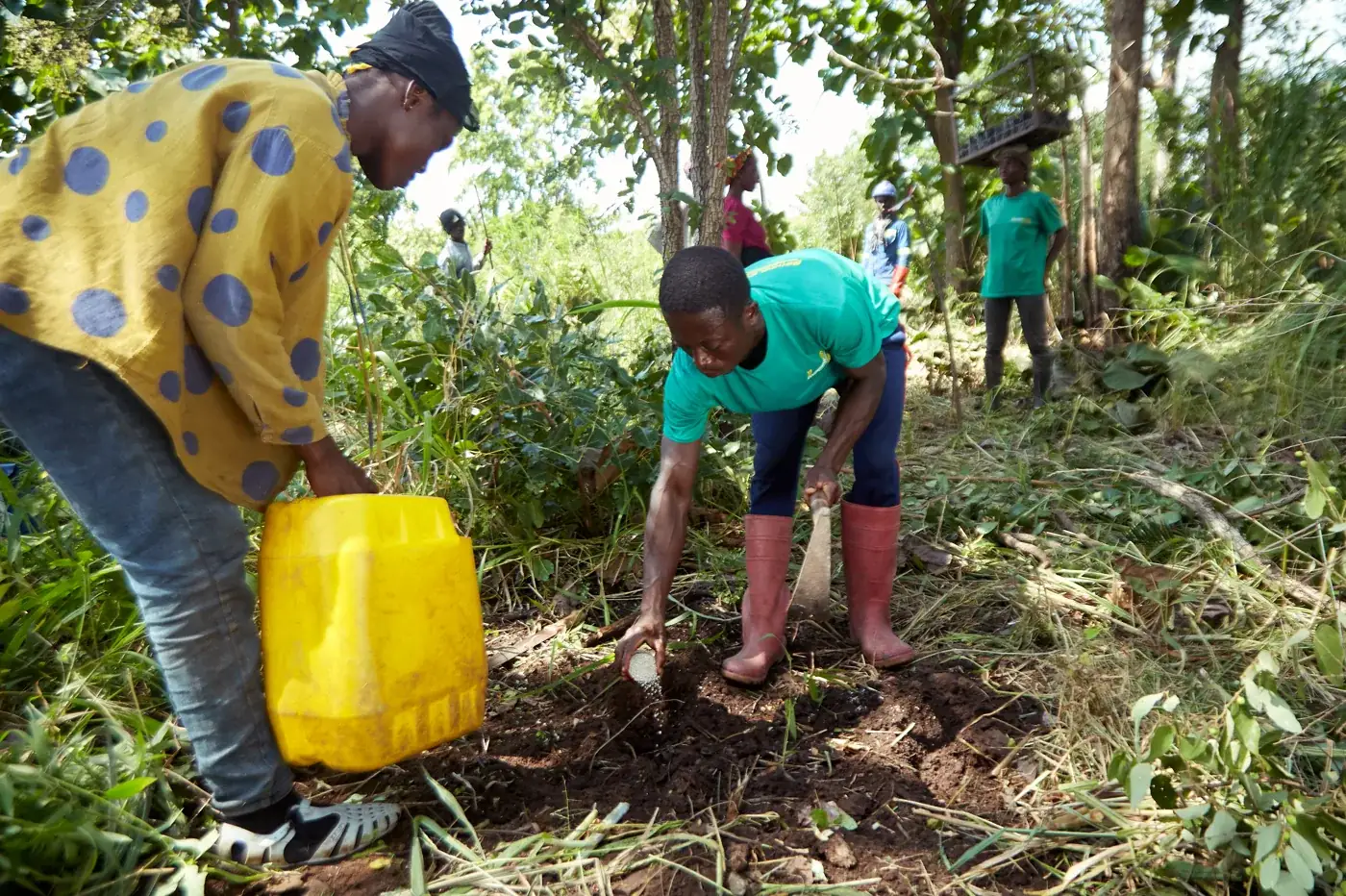
EcoPlanet strengthens local food security through household gardens, regenerative farms, aquaculture, mushroom and snail production, beekeeping and fruit-tree planting. These initiatives improve access to diverse, locally produced food, reduce household costs and enable participants to earn income from surplus production.
Good Health and Well-Being
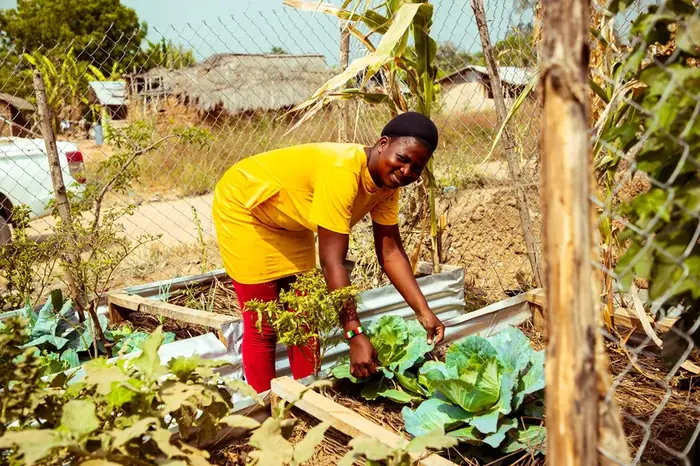
Worker health and safety are fundamental to our Ghanaian operations. Employees receive safety training, appropriate protective equipment, first-aid support and task-specific instruction. EcoPlanet also supports community health through improved water and sanitation, healthcare infrastructure and spaces where mobile clinics can provide private consultations closer to rural residents.
Quality Education
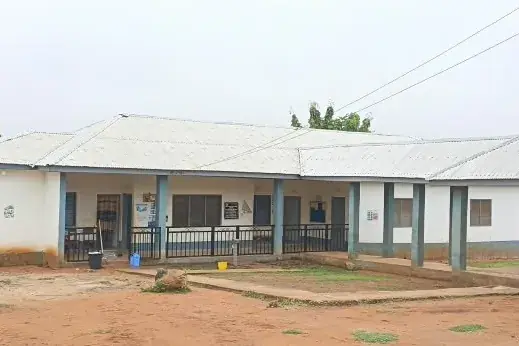
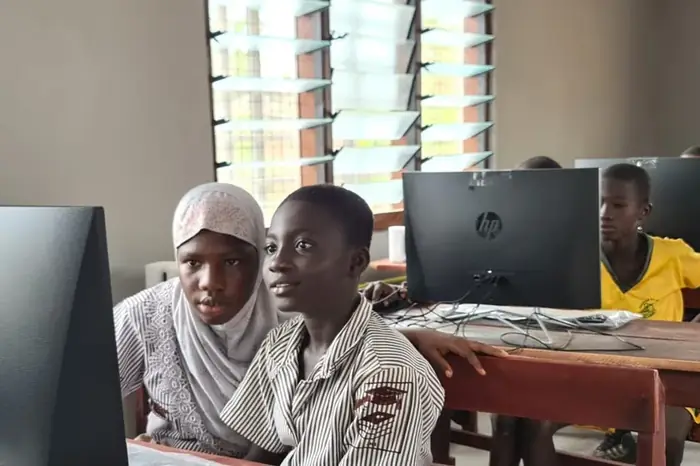
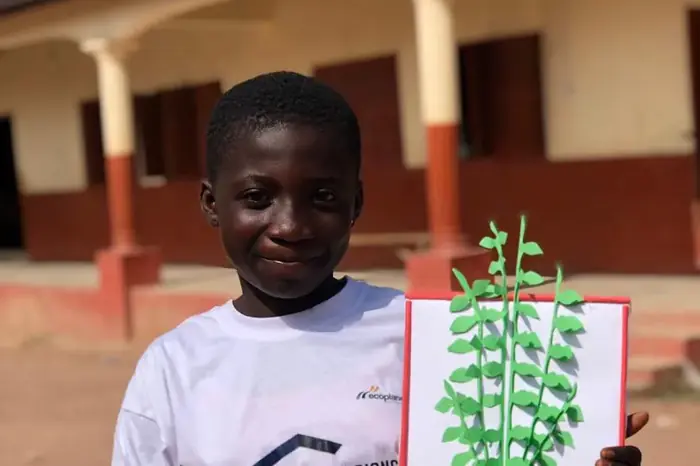
EcoPlanet improves educational opportunities by renovating and expanding schools, providing scholarships and supporting vocational and workplace learning. Our computer laboratory at Oseikrom-Mankala gives rural learners access to digital education, while environmental awareness activities help children and communities understand climate change, biodiversity and landscape restoration.
Gender Equality
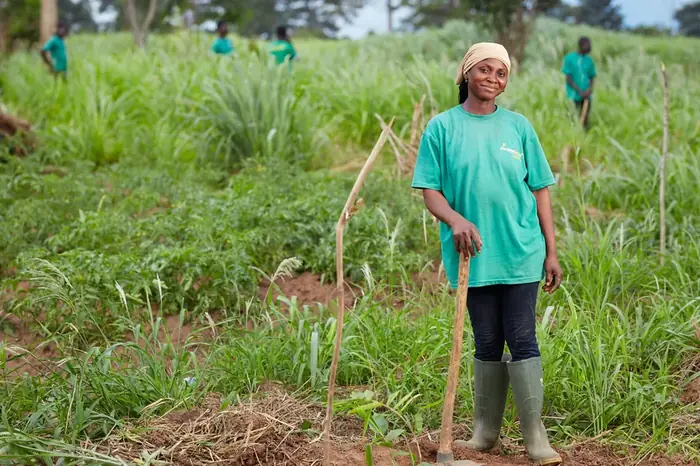
EcoPlanet actively promotes the participation and advancement of women across our workforce and community programs. Women are prioritized within livelihood initiatives such as household gardening, dressmaking, regenerative farming and beekeeping, enabling them to develop skills, earn income and participate more fully in local economic activity.
Clean Water and Sanitation
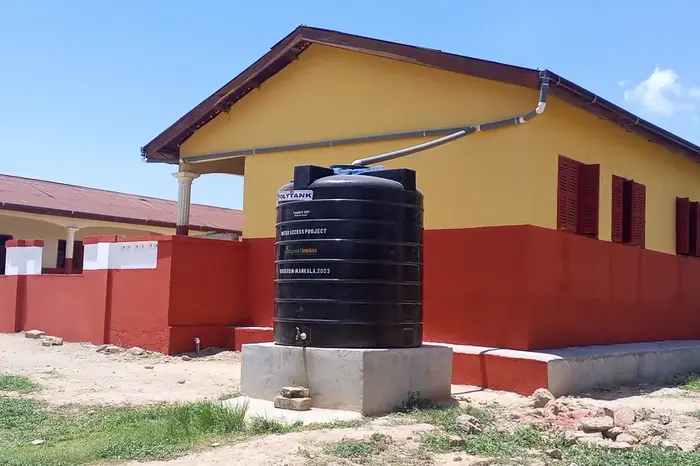
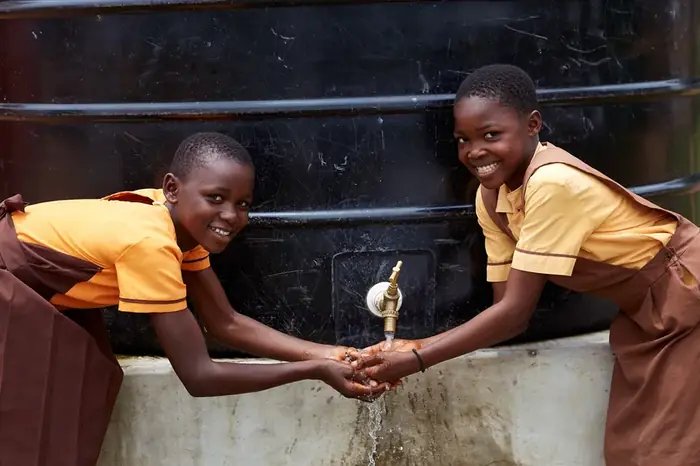
EcoPlanet has installed boreholes and rainwater-harvesting systems across 13 communities. New sanitation facilities improve hygiene, safety and dignity for residents. The protection of streams, floodplains and other important water sources within the project landscape further supports long-term community water security.
Affordable and Clean Energy
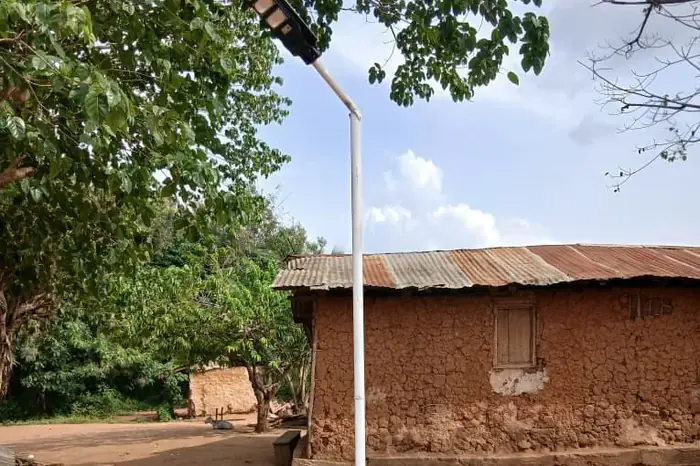
EcoPlanet has installed solar-powered lighting within the rural communities surrounding our project areas. These systems provide a reliable source of clean energy, improve safety after dark and create better conditions for children to study and families to participate in evening activities.
Decent Work and Economic Growth
EcoPlanet creates local employment in communities where formal work opportunities are limited. Workers receive fair remuneration, safety training, protective equipment and information about their workplace rights. Skills development, internal career progression and support for locally owned micro-enterprises further contribute to inclusive economic growth.
Industry, Innovation and Infrastructure
EcoPlanet invests in infrastructure and technology that strengthen rural development and project performance. This includes school facilities, digital-learning infrastructure and monitoring technologies that improve fire prevention, biodiversity assessment and operational decision-making.
Responsible Consumption and Production
EcoPlanet promotes circular resource use through composting, vermiculture, black soldier fly production and plastic reuse. Organic waste is transformed into compost, worm tea, animal-feed protein and natural soil amendments, while plastic-waste initiatives explore its reuse in construction products. These activities reduce waste, recover valuable resources and support healthier soils and local production.
Climate Action
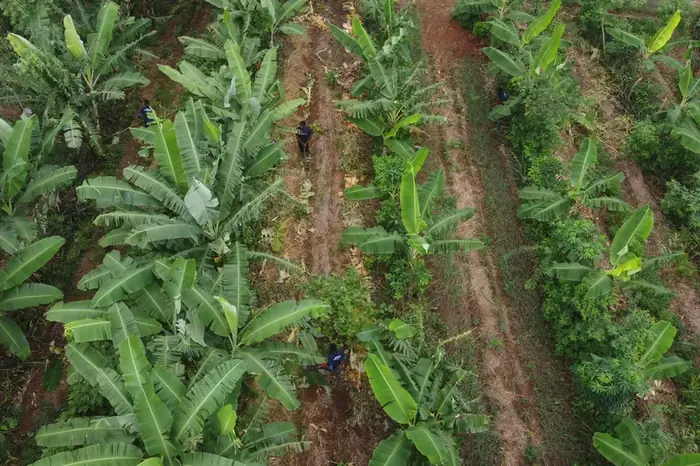
By restoring degraded forest reserves with bamboo and indigenous trees, EcoPlanet captures and stores carbon while rebuilding vegetation cover and improving landscape resilience. Fire monitoring, soil protection and climate education complement our restoration work, helping workers, learners and community members understand climate risks and how to participate in practical climate action.
Life on Land
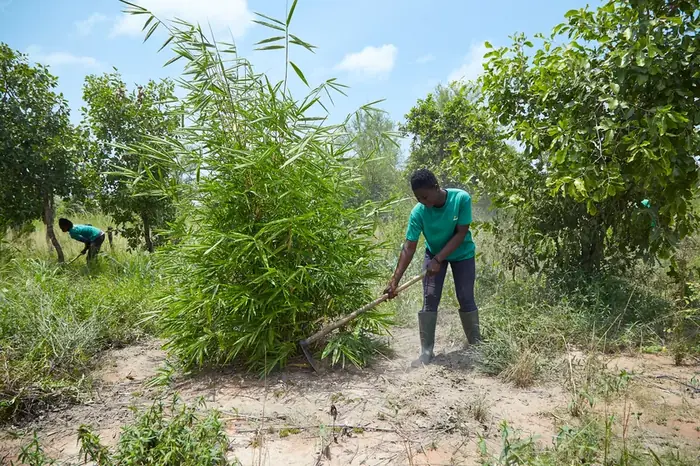
EcoPlanet restores degraded forest land through the integrated planting of bamboo and indigenous tree species. Existing native trees, conservation areas, floodplains and important habitats are protected, while biodiversity monitoring guides the management of threatened species, natural regeneration and invasive vegetation. This approach rebuilds ecosystem structure and creates healthier habitats for local fauna and flora.
Partnerships for the Goals
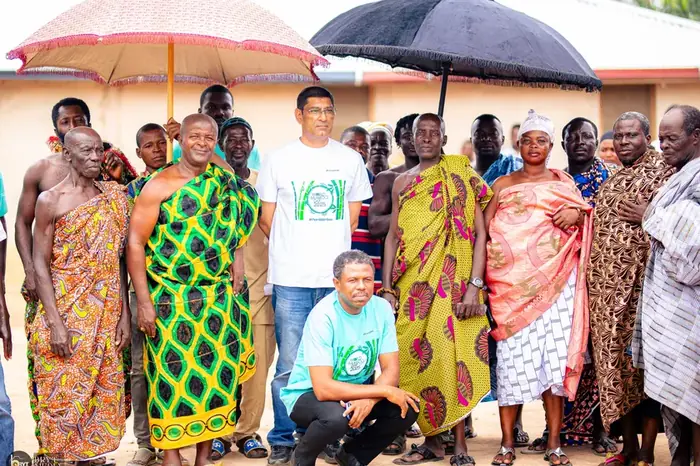
EcoPlanet collaborates with the Ghana Forestry Commission, traditional authorities and private-sector partners. These partnerships combine institutional support, technical expertise and local knowledge, strengthening implementation, encouraging shared ownership and enabling environmental and social benefits for the local communities.
Land degraded by fire, and by charcoal.
The Ashanti Region land EcoPlanet took on in 2015 had been degraded by fire and by illegal charcoal harvesting. Thirteen communities live within five kilometers of it. At the start, those communities were drawing water from open streams and using open-field sanitation.
Water, sanitation and training, across thirteen communities.
Our projects are supporting the development of 13 communities, helping residents transition from survival to thriving households, with skills and resources that empower the communities for generations to come.
Careers that started in the forest
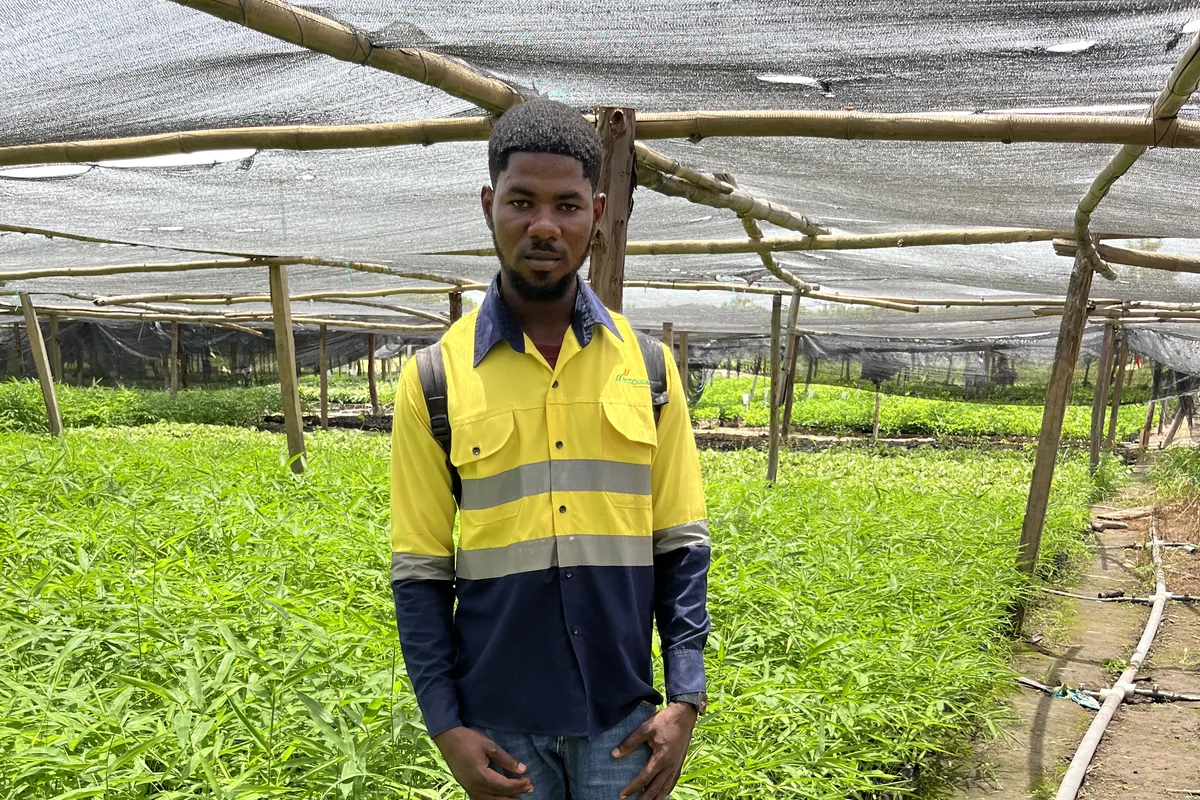
John Bio rose from worker to Monitoring Team Leader within EcoPlanet, supporting the project with ecological and operations skills developed through hands-on field training and classroom education in his EcoPlanet-sponsored Diploma in Tropical Agriculture.
Water and sanitation, in all thirteen communities
EcoPlanet has ensured that all 13 communities have transitioned away from open streams and open-field sanitation, now using EcoPlanet-sponsored facilities, improving health and well-being. Several of the sites were granted by traditional chiefs through Free, Prior and Informed Consent.
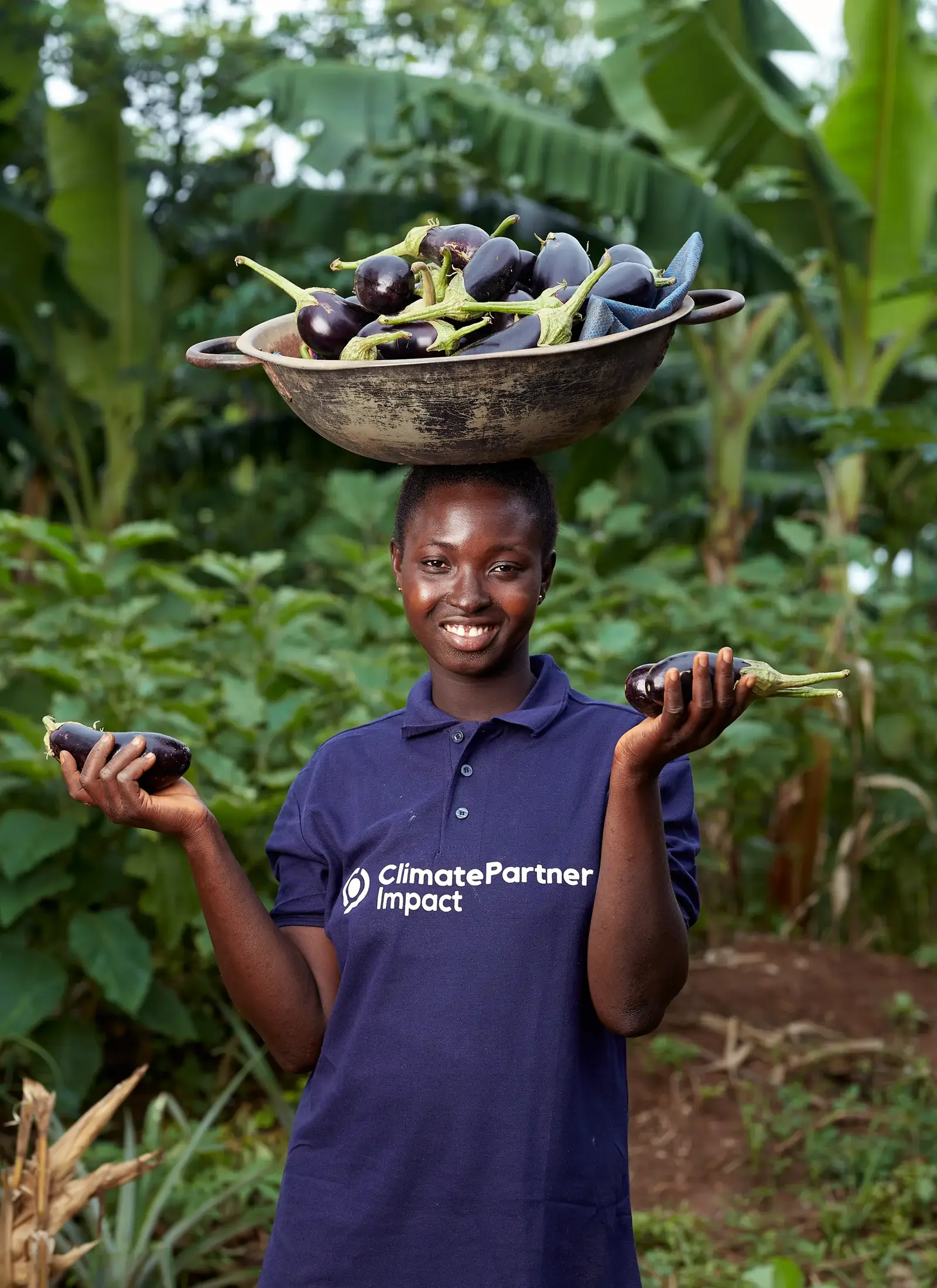
Women-led micro-enterprises: beads, dressmaking and soap
Three communities launched enterprises in trades they chose themselves: traditional glass-bead making, dressmaking, and bar and liquid soap production, most participants women, each group given a workspace and starter equipment on land allocated by traditional leaders.
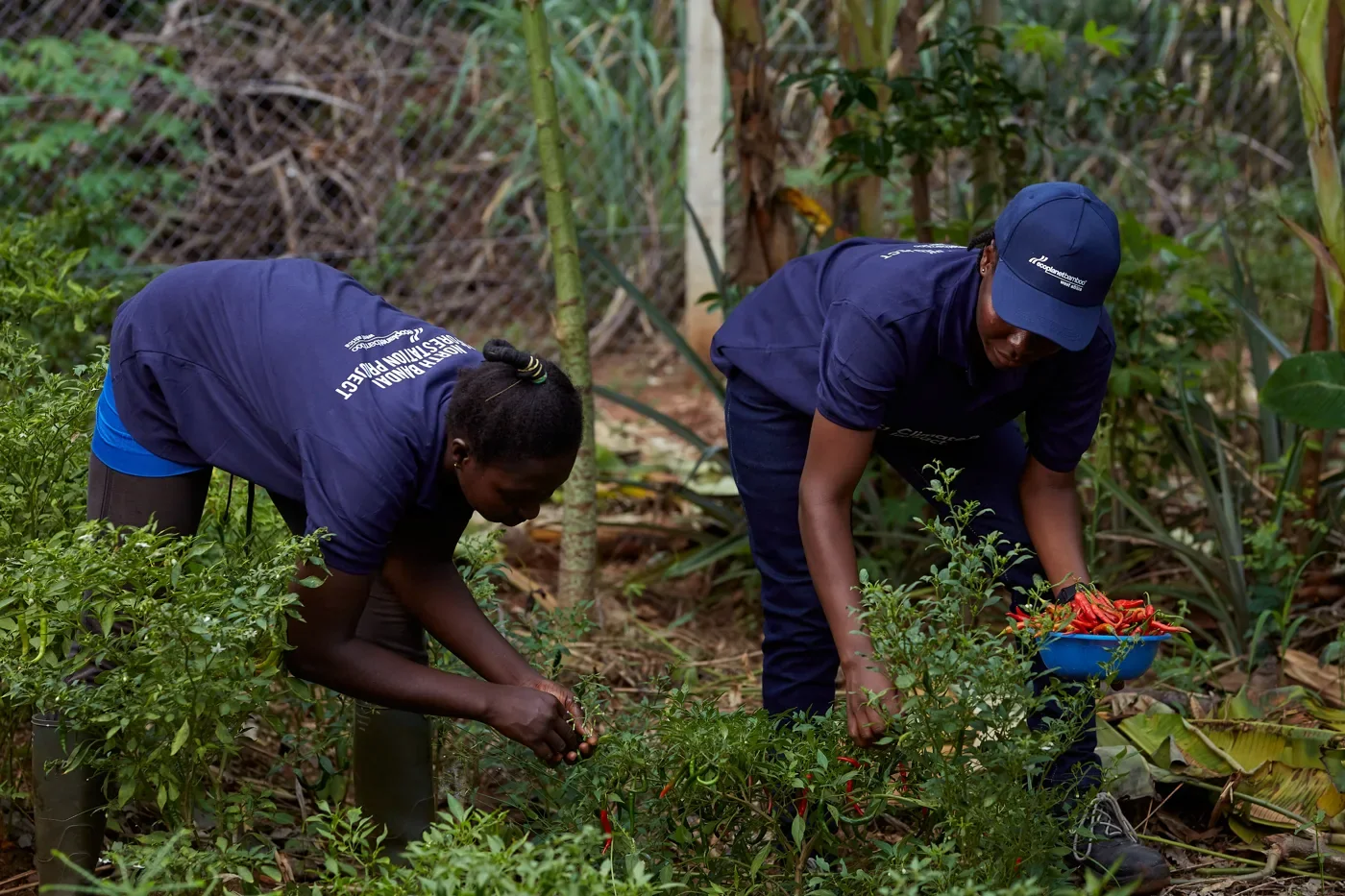
Schools that feed and teach
Vegetable growhouses feed learners at local schools, and kitchen gardens improve food security for households in North Bandai and in Bandai Hills.
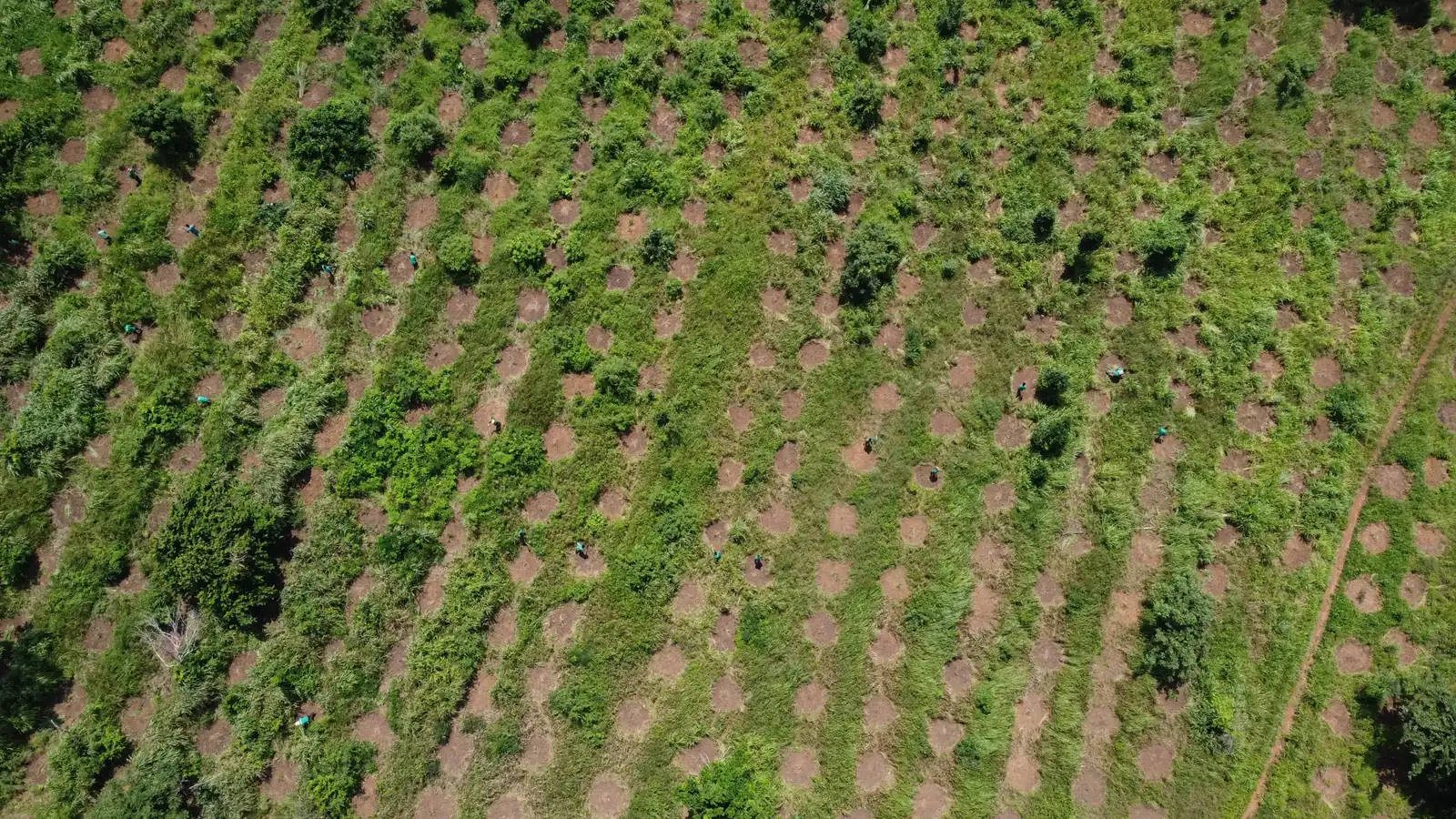
North Bandai and Bandai Hills, Ghana.
A public-private partnership with the Government of Ghana across 11,145 hectares of the Ashanti Region. Two adjacent registered projects, VCS 2928 and VCS 2929.
Project Details →