Where it all began. The world’s first bamboo carbon credits.
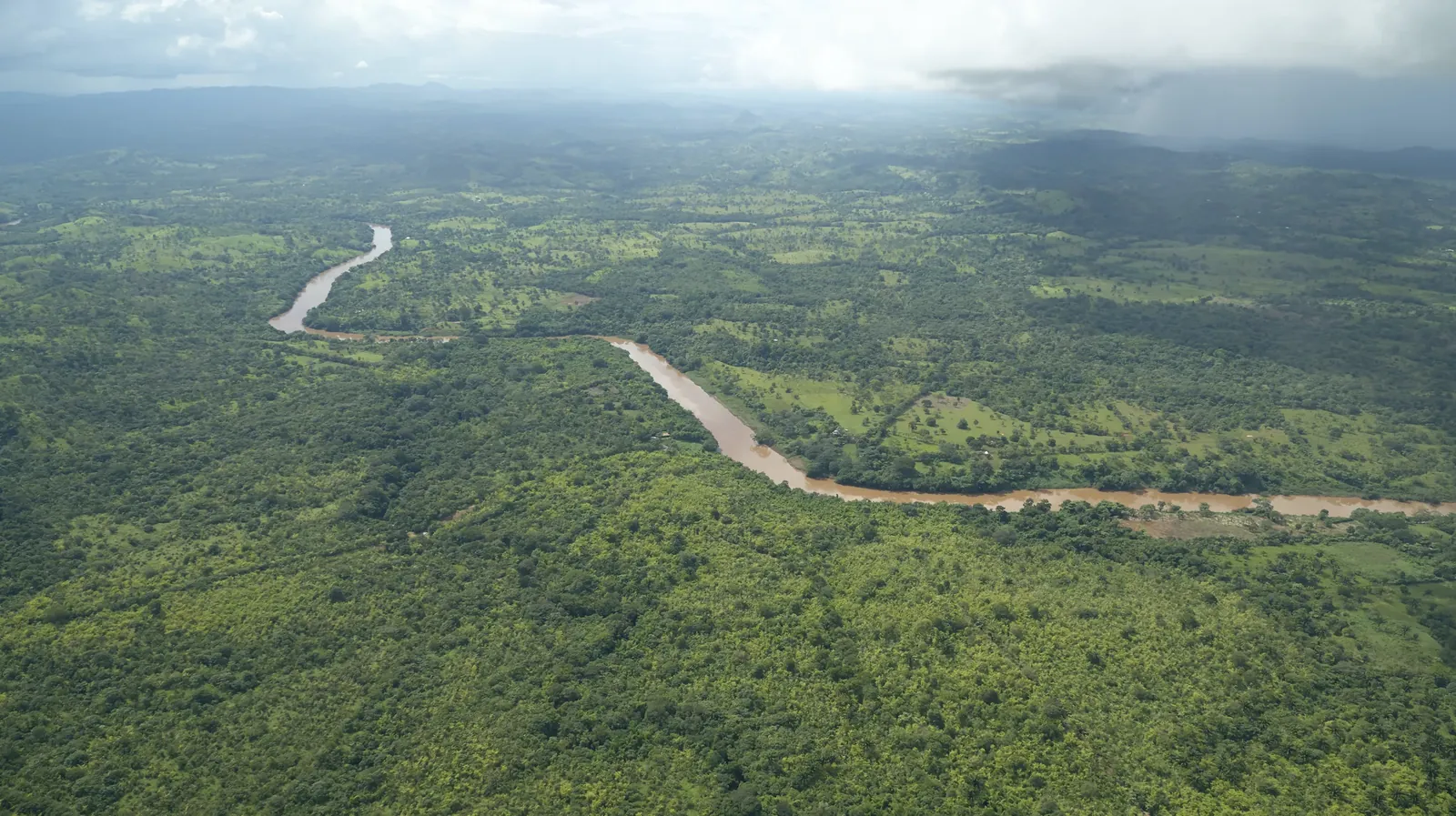
EcoPlanet’s founding project on Nicaragua’s Atlantic Coast, including the Rio Siquia farms, restoring degraded cattle pasture into certified bamboo forest since 2010.
A coast where much travel is by river.
Nicaragua’s Atlantic Coast is among the country’s most isolated regions, and many communities there depend on river transport. EcoPlanet began work on abandoned cattle pasture here in 2010. More than fifteen years on, the project is still running, and so are the programs that came with it.
The founding story, still on the public record.
In Nicaragua, the founding project, community and conservation work has run alongside the project since 2010.
A world first for bamboo carbon
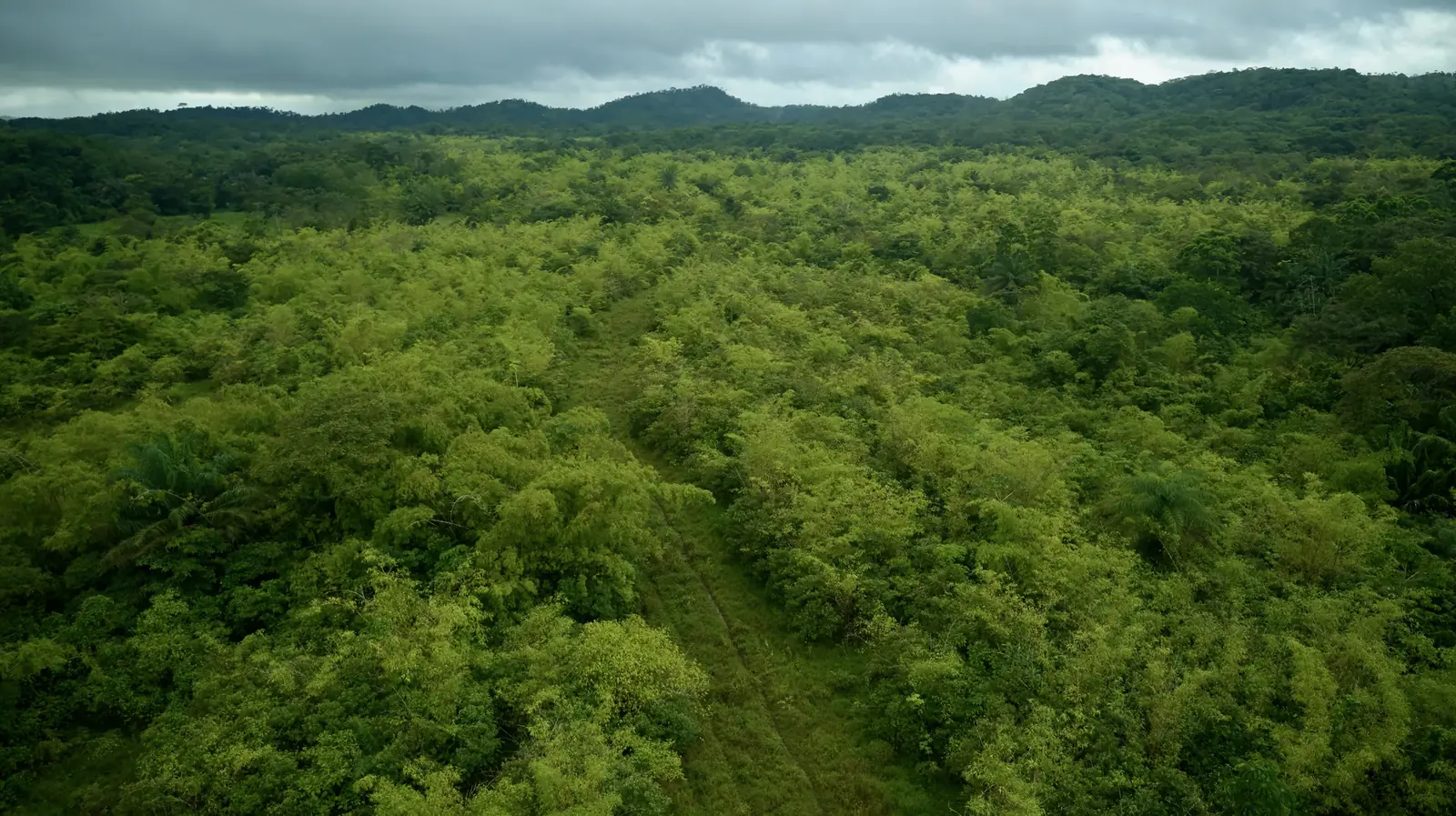
The EcoPlanet Bamboo Central America Reforestation Project was validated under the Verified Carbon Standard. Bamboo had long sat in a gray area between agriculture and forestry; EcoPlanet helped develop the measurement approach that made it creditable.
Recognized by the U.S. Secretary of State
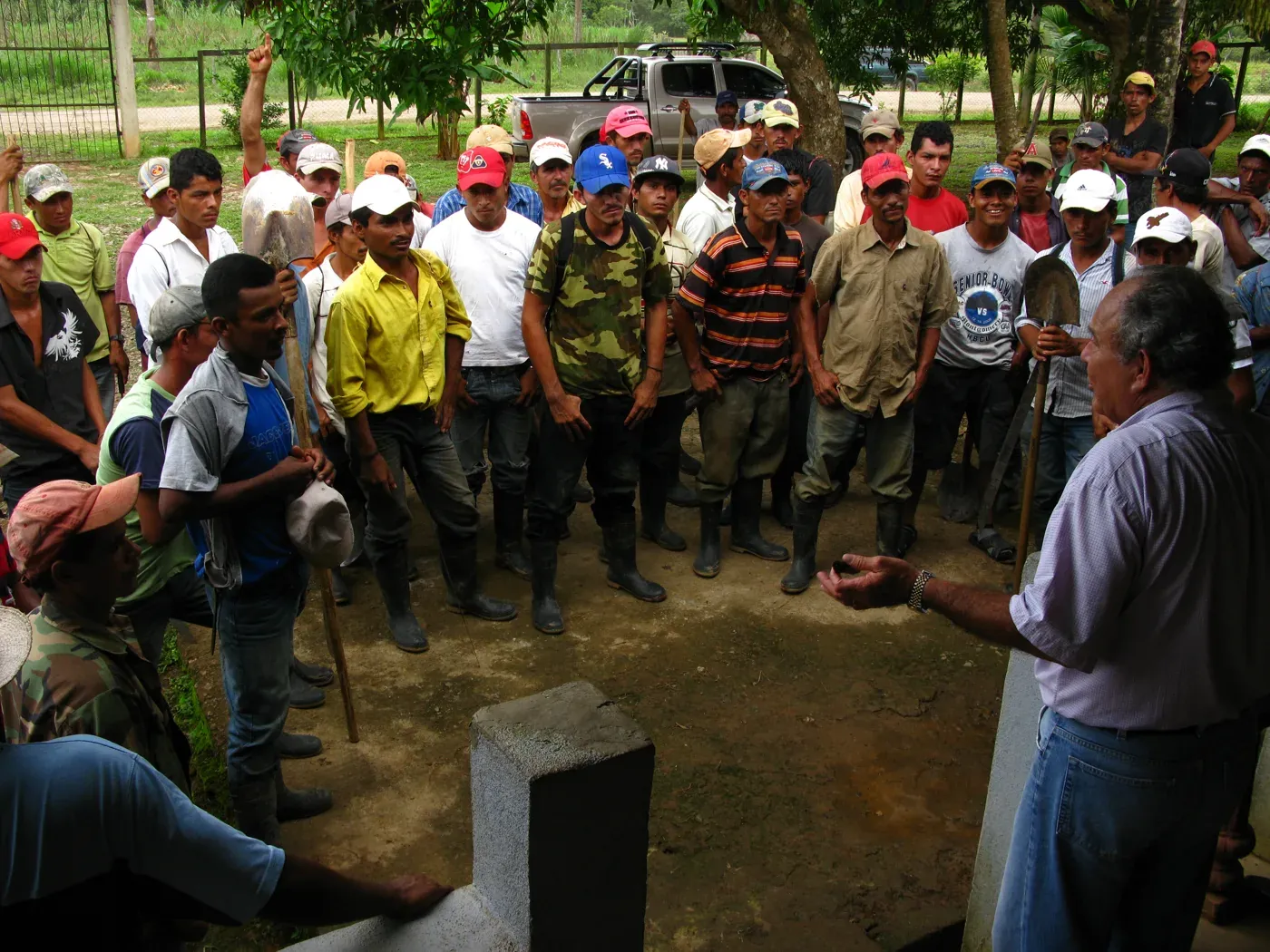
EcoPlanet received the U.S. Secretary of State’s 2014 Award for Corporate Excellence for its Nicaragua operations.
Year-round work, clinics supplied, roads graded
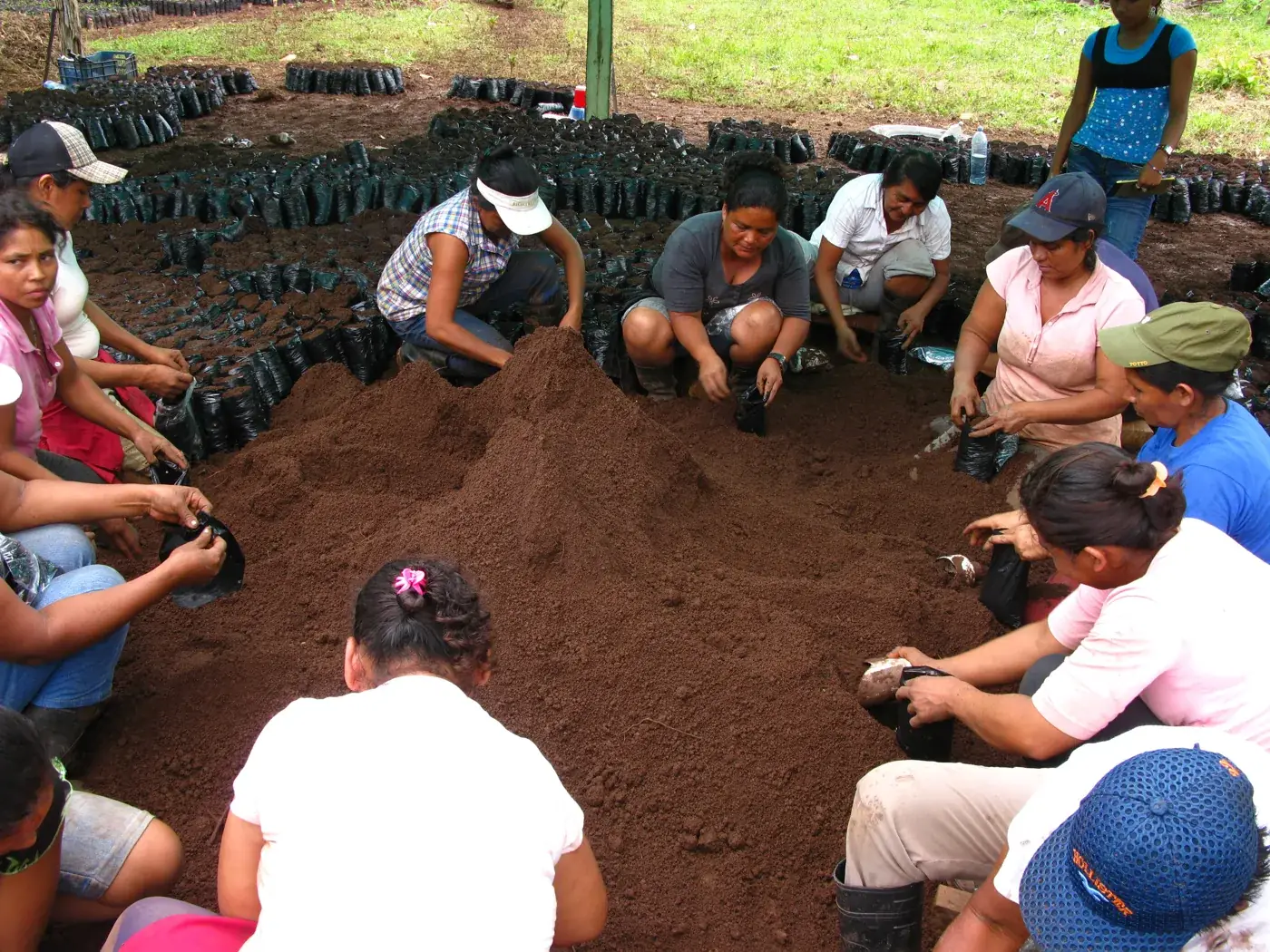
The project provides stable, decent year-round work to the local community, in a region of historically high unemployment. Alongside it, EcoPlanet has supported local health clinics with supplies and equipment, and grades and upgrades sections of road so communities are less dependent on boats.
A decade of community partnership
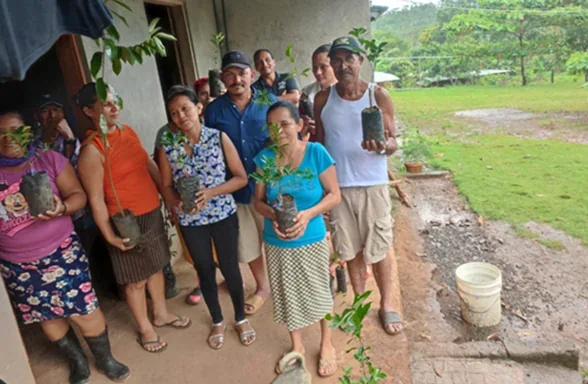
From 2012, EcoPlanet ran a community development program shaped by local consultation: a village drinking-water system, school repairs and teacher support, and farm infirmaries open to community emergencies. More recently, a fruit-orchard and food-security program has distributed grafted fruit trees to worker families and to nine households and the primary school in Río Calderón, with training on tree care and nutrition.
From pasture to forest
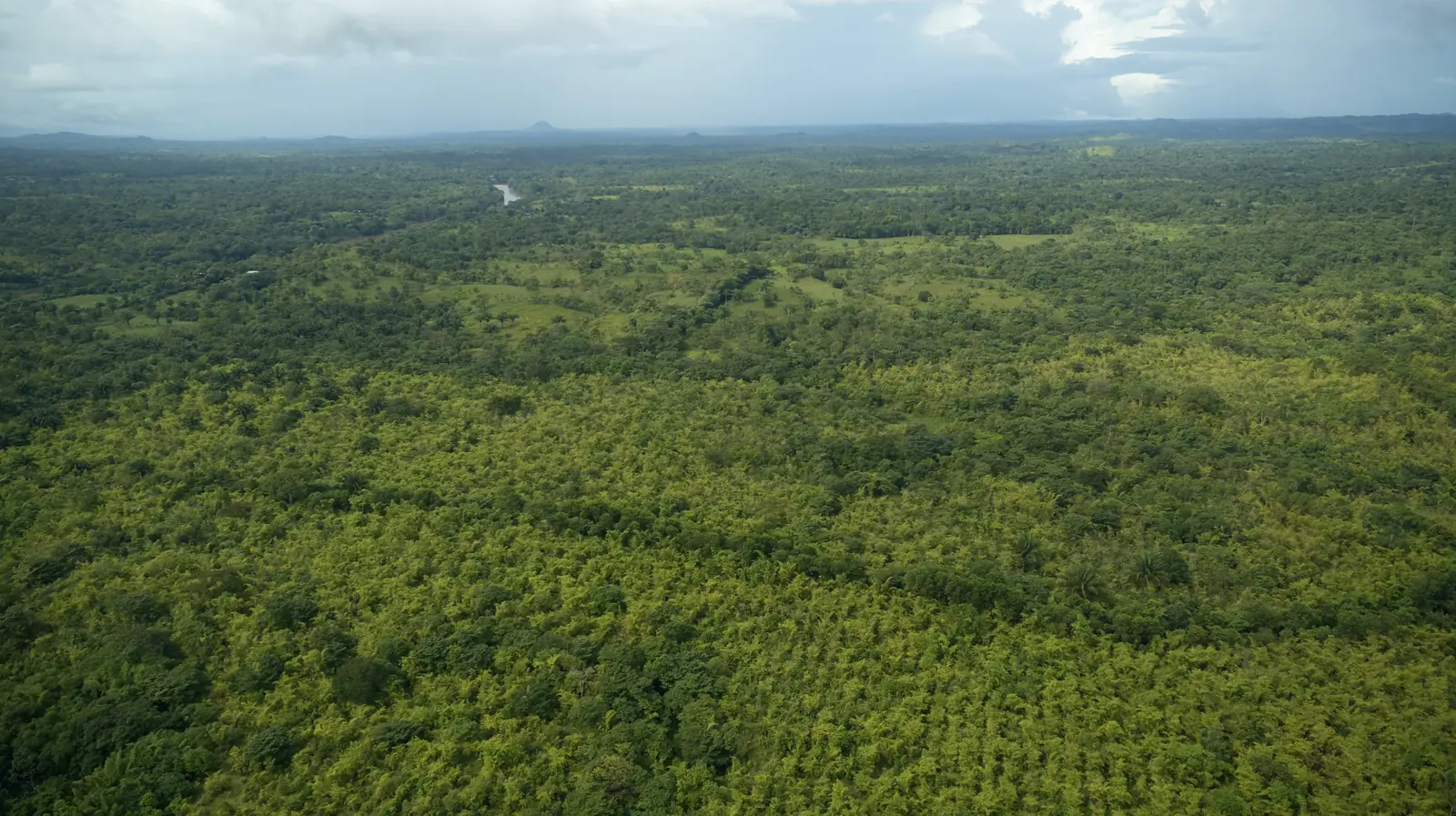
By 2015, EcoPlanet had restored thousands of hectares of degraded land, a model showcased at COP21 for Nicaragua’s Initiative 20×20, and set aside primary tropical forest for conservation, anchoring a vision for a tree-free bamboo biorefinery and paper mill.
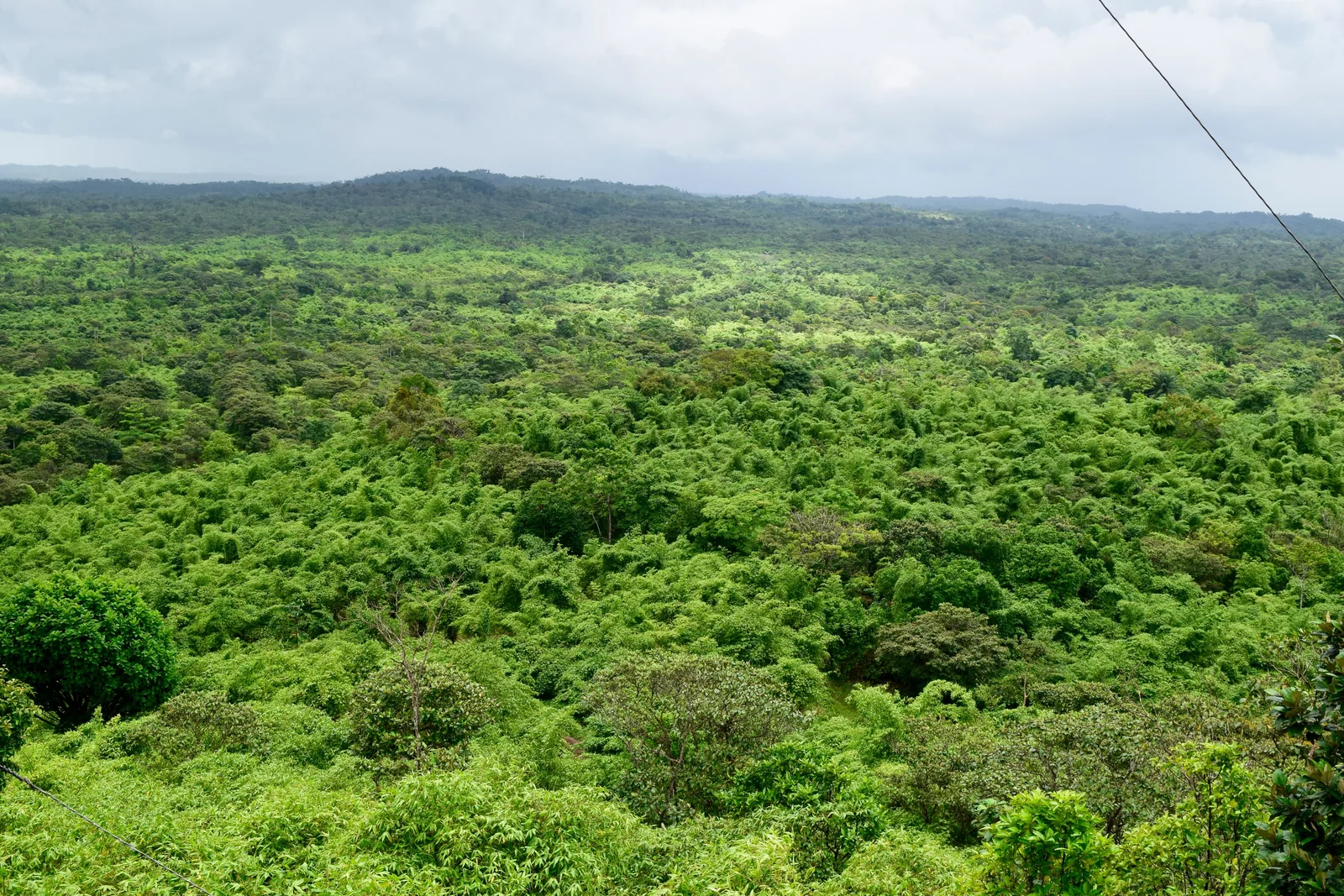
EcoPlanet Bamboo Central America Reforestation Project.
The founding project: heavily degraded cattle pasture converted into biodiverse bamboo forest, and the source of the world’s first accredited bamboo carbon credits. Registered with Verra as VCS 1085.
Project Details →