
How we got started
EcoPlanet was founded in 2010 with the vision of stopping deforestation, restoring land, and creating sustainable rural livelihoods.
Our Story
EcoPlanet began with a question: could restoring degraded land become a lasting, financially viable undertaking?
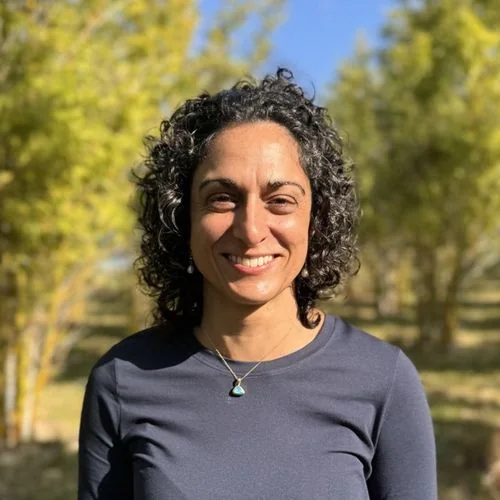
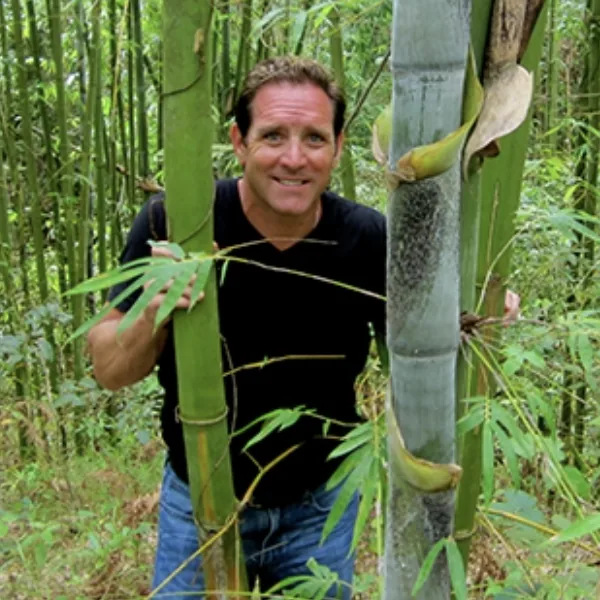
For co-founders Camille Rebelo and Troy Wiseman, that question brought together two different paths. Camille had spent years working in forestry and conservation finance, looking for ways to sustain the protection and restoration of forests. Troy brought a background in building businesses and impact investing, and a desire to get directly involved in projects on the ground.
They shared a conviction: restoration could generate the income needed to sustain itself, while creating lasting opportunities for the people who lived and worked around it. Together, they founded EcoPlanet Bamboo in 2010.
The work began on Nicaragua’s Atlantic Coast, on land once covered by rainforest, then cleared for agriculture and left degraded. Restoring it would take planting, years of care and a way to finance both.
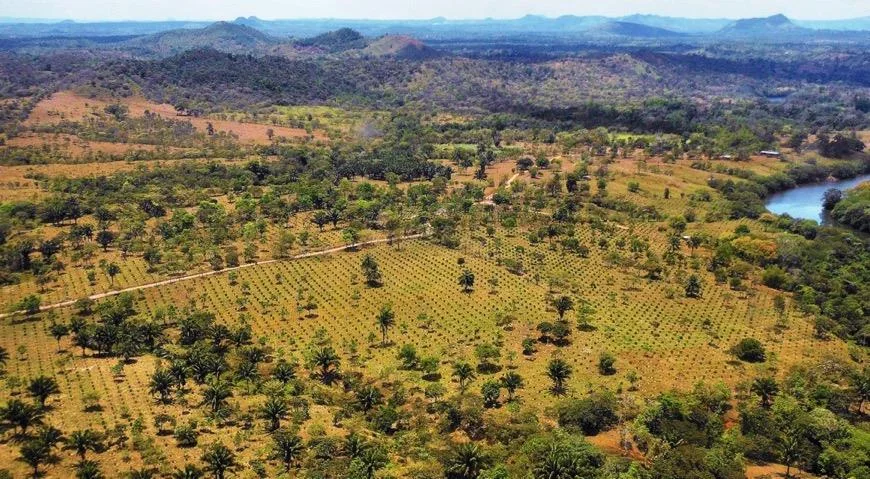 Before
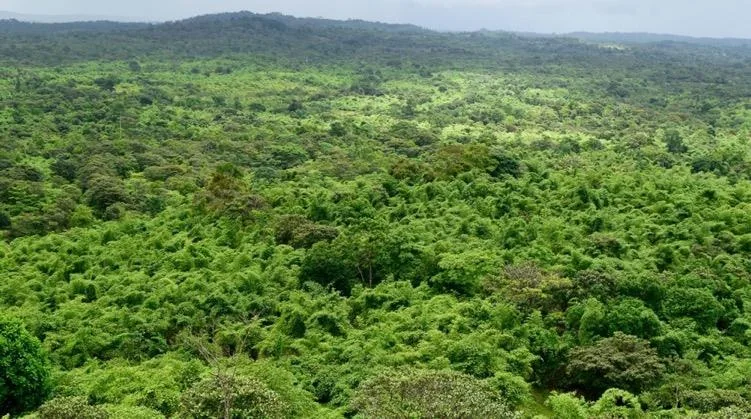 After
AfterNicaragua’s Atlantic Coast, where EcoPlanet began.
Their ambition extended beyond the land they could restore. Industries still needed wood and fiber. Growing an alternative on degraded land offered a way to meet that demand while easing pressure on the forests still standing.
Clumping bamboo became central to the approach. It reaches commercial maturity in six to eight years, and selective harvesting leaves its root system in place to produce new stems. That recurring harvest offered a source of income to support the long-term care of the land.
EcoPlanet works only with non-invasive clumping bamboo, combining productive planting with native ecosystem restoration and conservation.
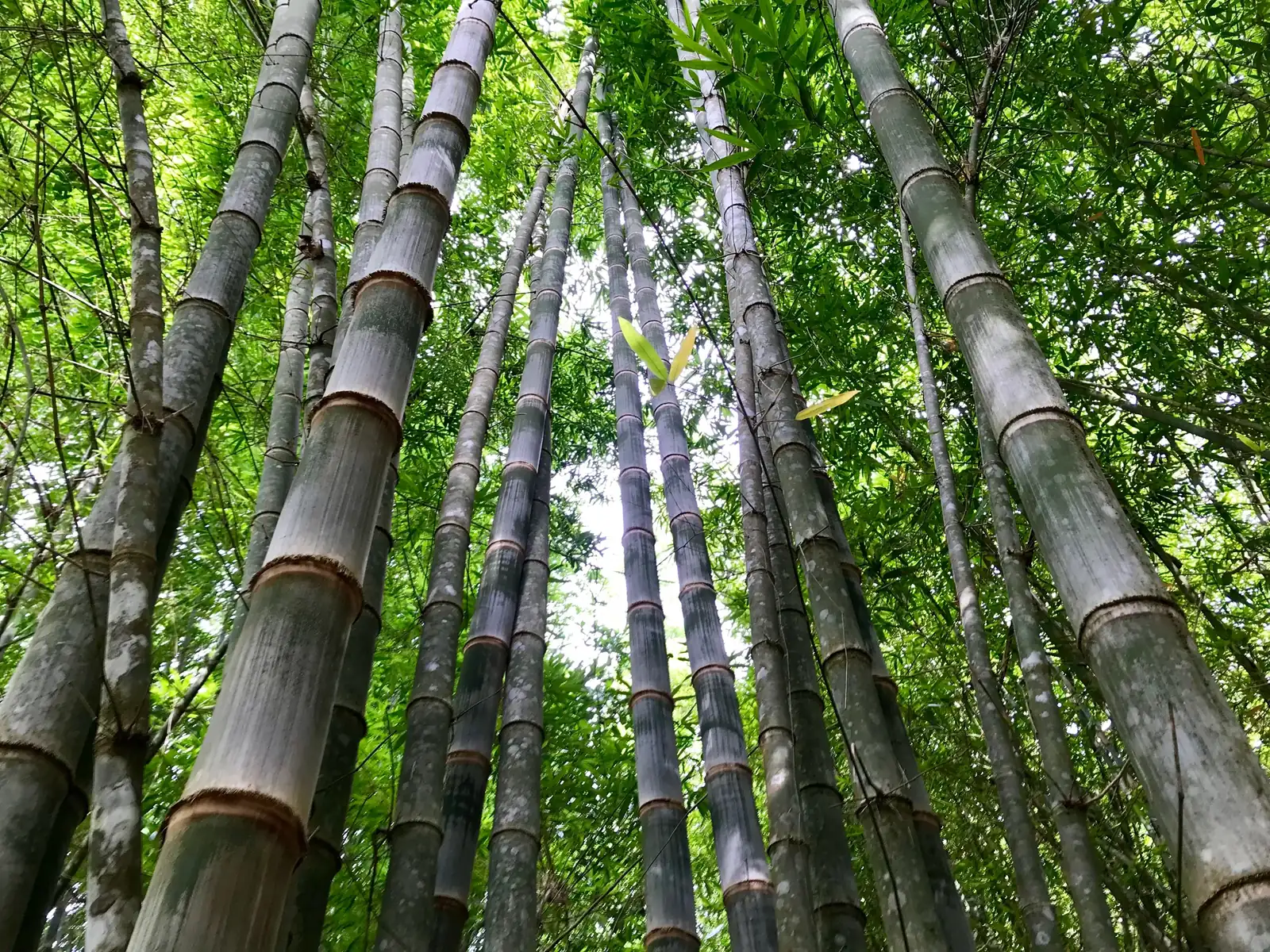
Clumping bamboo on the Nicaragua farms.
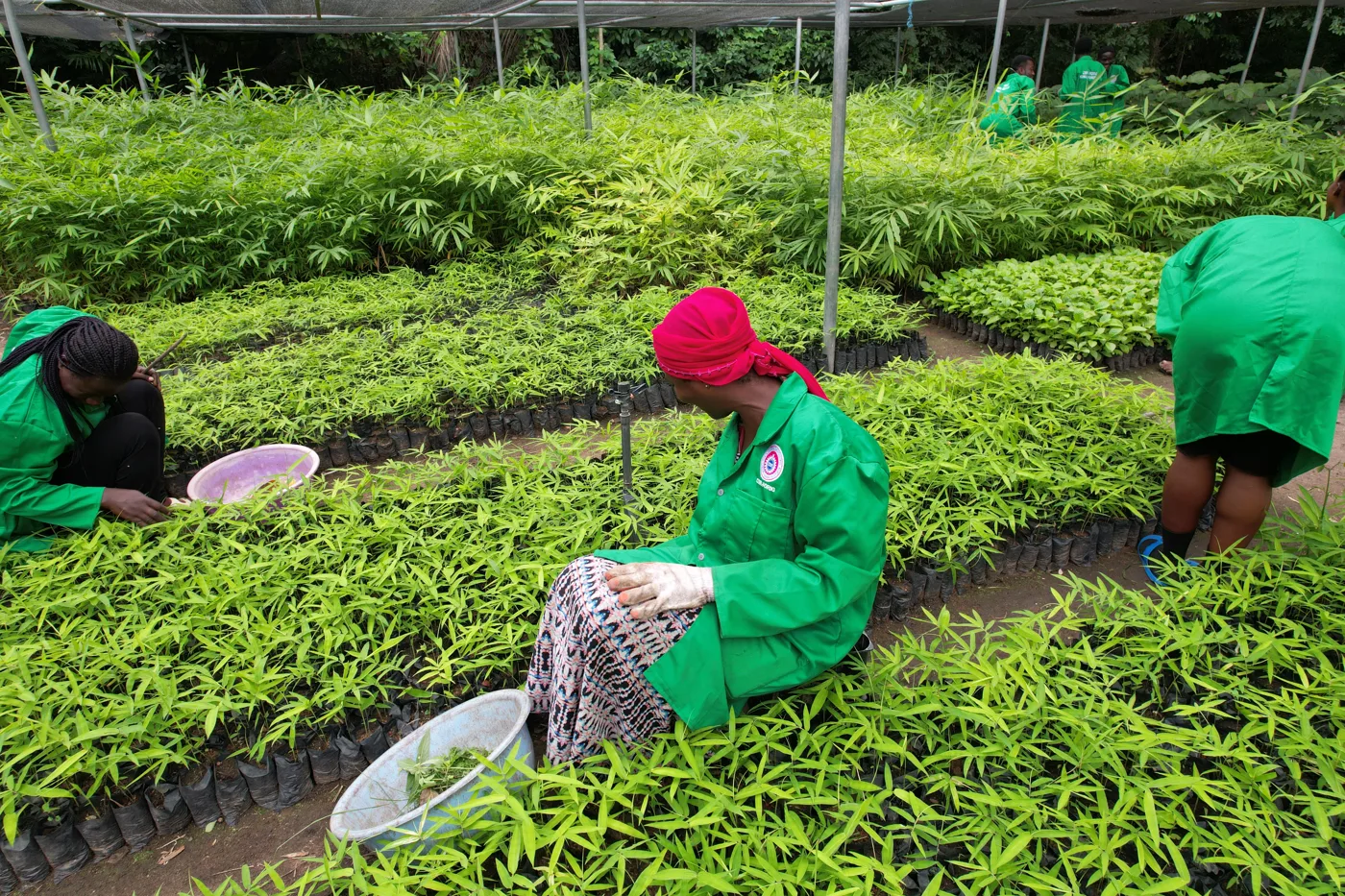
As the first farms took shape, so did a commitment to the communities around them. Local employment, opportunities for women and investment in people became part of how the company grew. The aim was to build livelihoods that could last alongside the landscapes being restored.
From Nicaragua, the work expanded to South Africa, Ghana, Rwanda and the Philippines. Today, locally recruited teams make up more than 99% of the company, and 30 to 50% of every bamboo farm is set aside permanently for native species and conservation. EcoPlanet now works across five countries and three continents, with more than 40,000 hectares under restoration. These landscapes are delivering carbon removals today and growing a source of deforestation-free fiber and clean fuel for the future.
The question that started EcoPlanet still guides the work: how to make restoration last for the land, the people who care for it and the generations that follow.

Remembering Troy
Troy passed away in 2024. One of his final trips was to the Philippines, where he spent a week walking the project land and getting to know the team. That hands-on commitment remains part of EcoPlanet, and his vision continues through the people and projects he helped build.