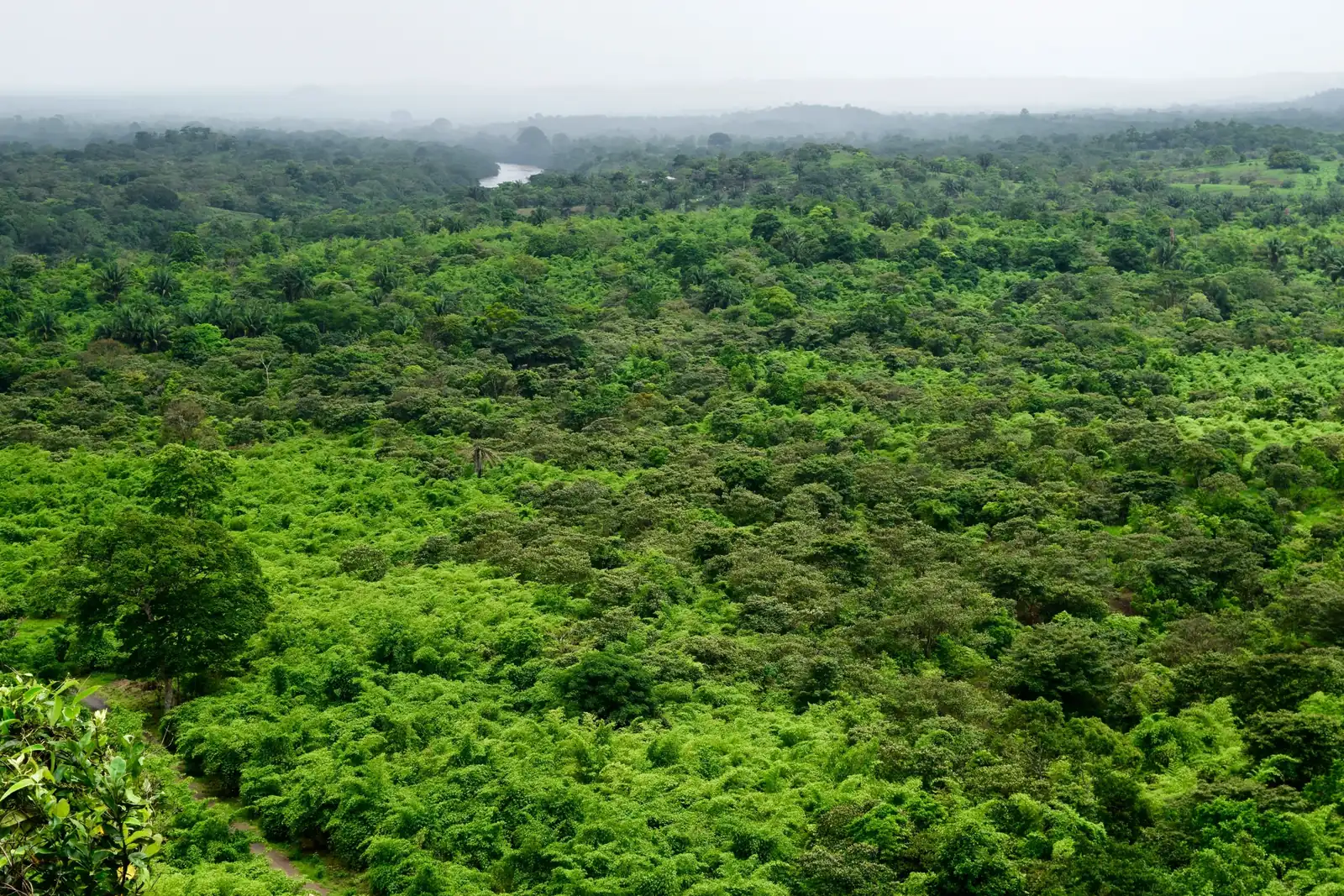
Growing the forests, fiber and fuels of the future.
Developing fiber and fuel for a net zero future.
Carbon establishes the forest. Renewable resources help sustain it.
Restoring degraded land requires years of investment before a commercial forest reaches maturity. EcoPlanet utilizes carbon finance to establish biodiverse living forests that have the potential to supply large volumes of raw resource for our targeted production of fiber products and renewable liquid fuels, creating a pathway from restoration to renewable industrial resources while driving thriving rural communities.
Carbon removals
Carbon finance supports restoration and forest growth. Removals are monitored, independently verified and issued under the applicable carbon standard.
Carbon removals →Fiber and materials
Initial bamboo thinning supplies renewable non-wood fiber for on-site pulp production, with downstream applications including tissue and molded fiber packaging.
Fiber and materials →Renewable liquid fuels
EcoPlanet is developing cellulosic ethanol pathways using commercial bamboo biomass, with sustainable aviation fuel, renewable diesel and renewable petroleum as a potential downstream opportunity.
Renewable fuels →In addition to our commercial platform, EcoPlanet’s platform and operating experience allow for large-scale carbon-financed restoration of degraded biodiversity hotspots into protected ecosystems. We do this with some of the world’s largest companies.
Five countries. Three continents. One operating platform.
EcoPlanet develops, owns and manages forestry and restoration projects in Nicaragua, Ghana, Rwanda, South Africa and the Philippines, supported by in-country teams and centralized technical, carbon and commercial expertise.
See the impact.
In less than a decade, we can convert degraded lands back into thriving, biodiverse forests. These photos, taken in Ghana on our project there six years apart, show the way. The African continent alone has over 750 million hectares of degraded land. With the right partners, we are rapidly restoring land across the planet, one hectare at a time.
Learn more →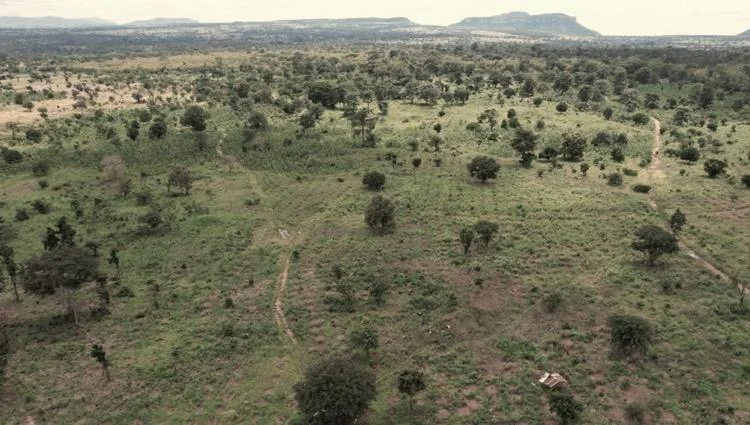 Before
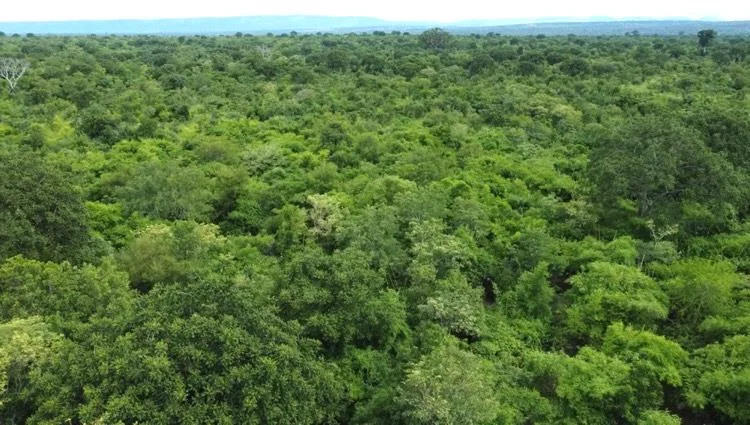 After
After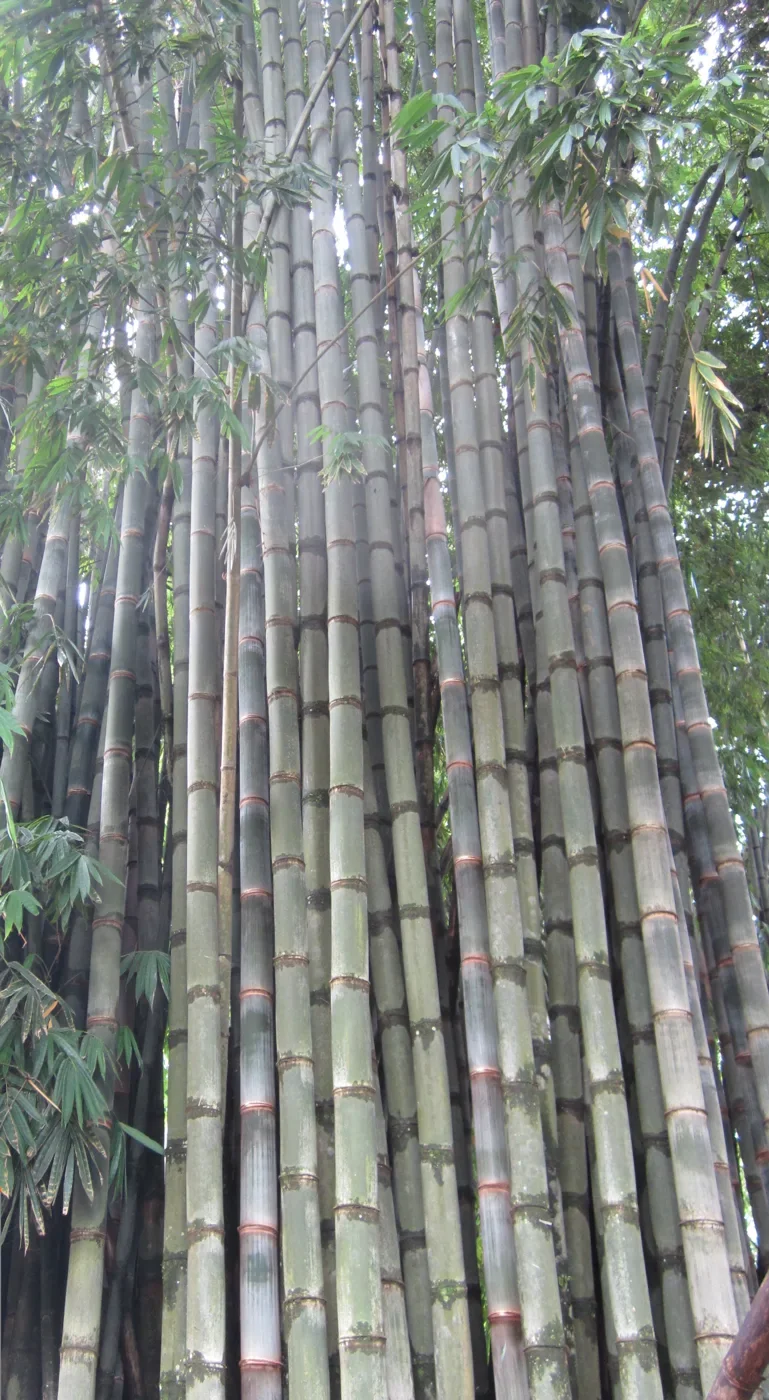
From restored land to renewable industry.
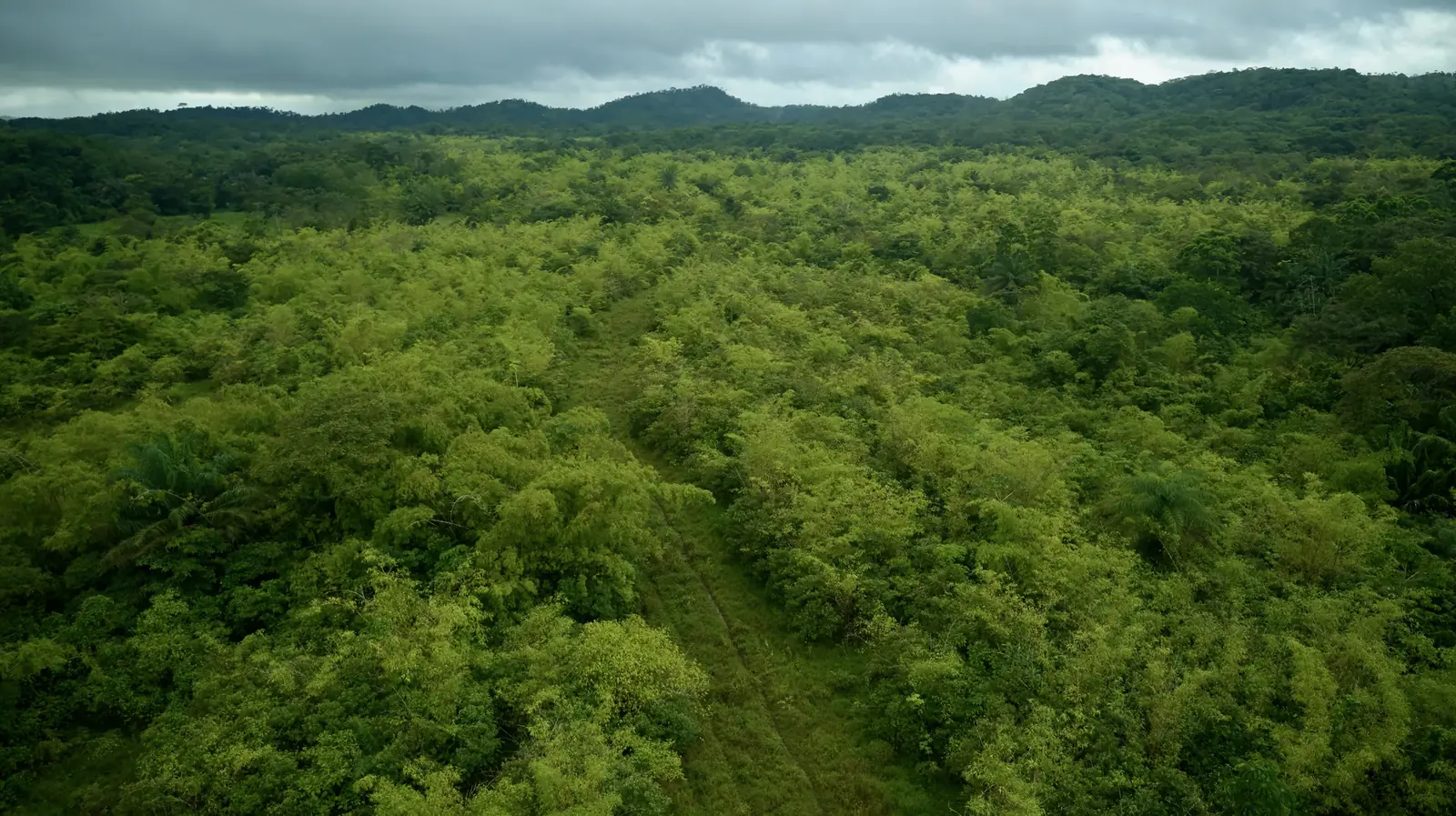
Carbon removals
Carbon finance is how degraded land gets restored at scale. It pays for the planting and for the years of growth before a forest matures, and the removals are monitored, independently verified and issued under the applicable carbon standard.
Carbon removals →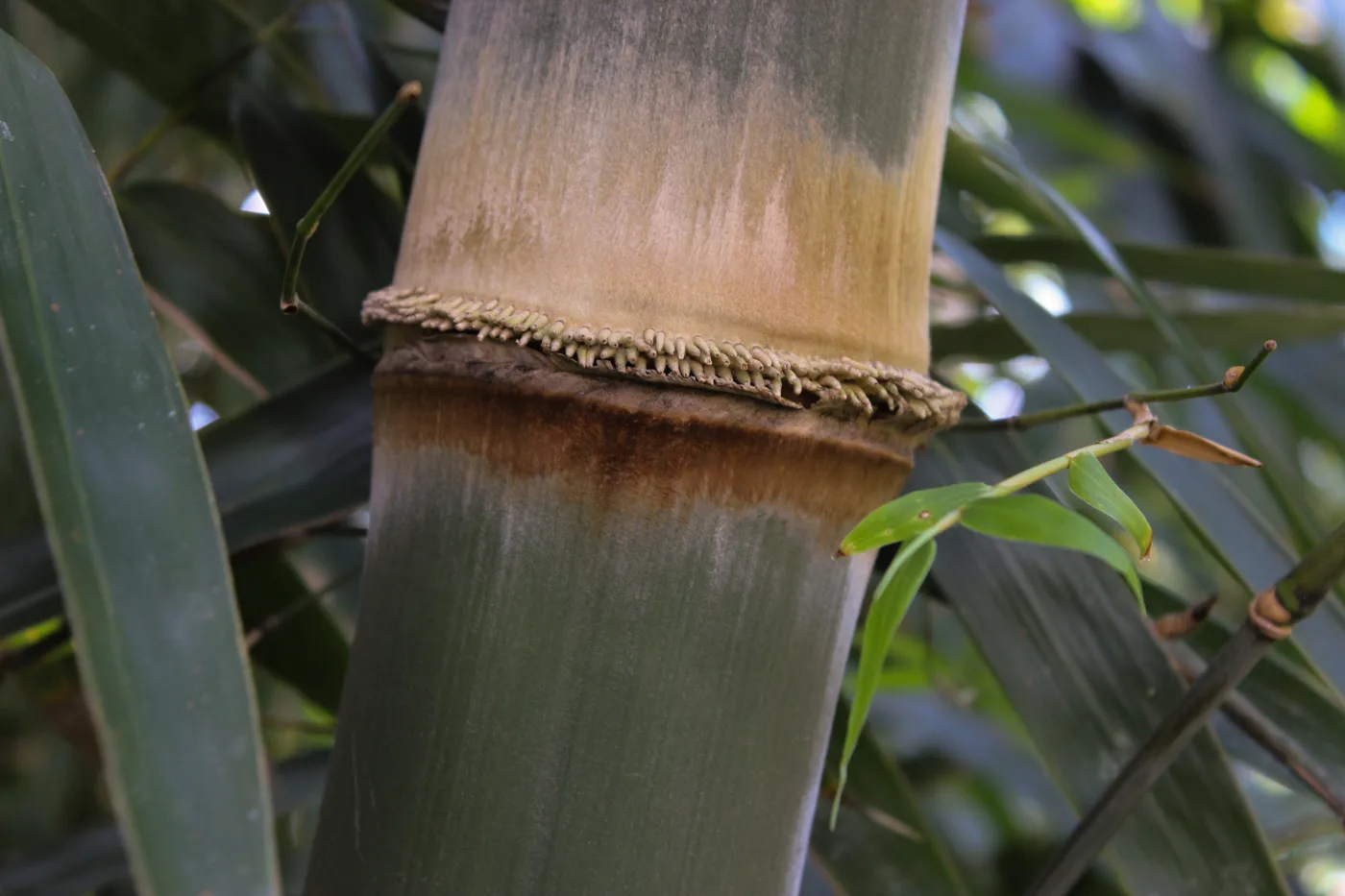
Fiber and materials
Bamboo grown on restored land becomes pulp, and pulp becomes tissue and molded-fiber packaging. Manufacturing is planned in the countries where the bamboo grows, so meeting the demand does not mean felling a forest.
Fiber and materials →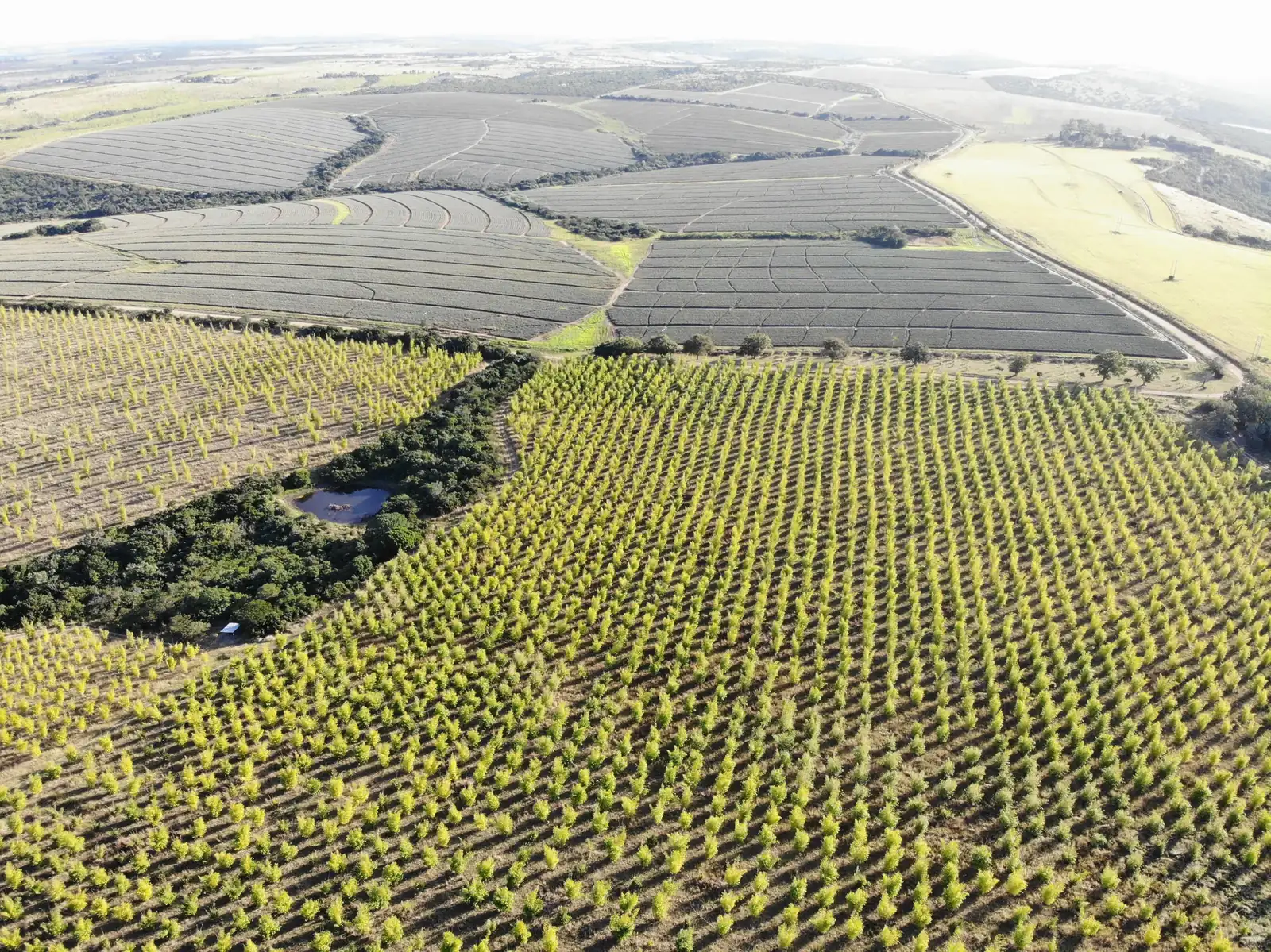
Renewable liquid fuels
The same biomass becomes fuel-grade bioethanol, with sustainable aviation fuel the longer-term aim. Shipping, freight, heavy industry and aviation are expected to need liquid fuel for decades yet.
Renewable fuels →